Leibniz-LSB@TUM-News 2021
December
Happy holidays
The Leibniz-LSB@TUM wishes everyone happy holidays and a good start into 2022.

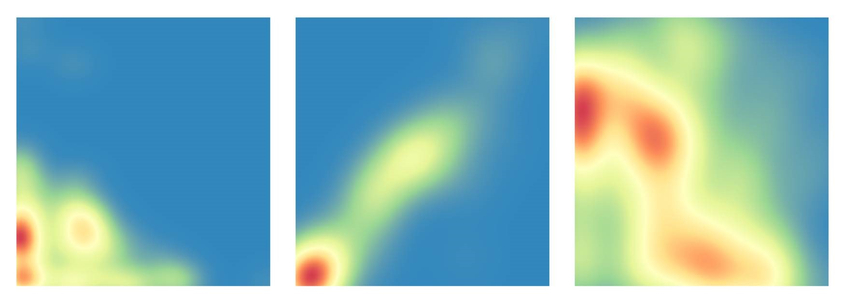
New method for finding the cell in the "haystack"
Being able to precisely identify cell types in a tissue is essential for biological analyses. For example, when researchers want to find out how the function of a cell type or cell subgroup changes under different biological conditions. Identifying rare cell types poses the greatest challenge. A team of scientists led by the University of Rostock has now developed an oversampling method based on machine learning. This can be used to train algorithms to identify rare cells with high accuracy in combination with single-cell RNA sequencing techniques. "The method is best suited for projects where the goal is to find the needle in the haystack," says Olaf Wolkenhauer, who is also a working group leader at the LSB.
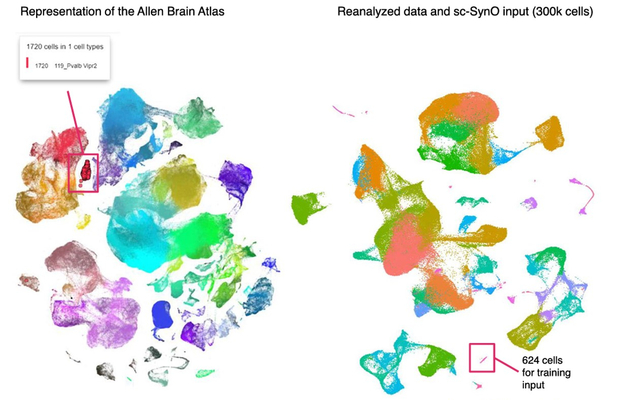
Source: Bej S, Galow AM, David R, Wolfien M, Wolkenhauer O. (2021) BMC Bioinformatics, 22(1):557, DOI: 10.1186/s12859-021-04469-x; https://www.ncbi.nlm.nih.gov/pmc/articles/PMC8603509/. ©The Author(s), 2021;
CC BY 4.0
The role of bitter receptors in cancer
Receptors as targets for chemotherapeutics
Freising / Vienna, December 03, 2021
Bitter taste receptors do not only support humans in tasting. They are also found on cancer cells. A team led by Veronika Somoza from the Faculty of Chemistry at the University of Vienna and the German Leibniz Institute for Food Systems Biology at the Technical University of Munich has investigated the role they play there. For this purpose, the scientists compiled and evaluated extensive scientific data. Their results suggest that bitter taste receptors should also be considered as additional targets for chemotherapeutic agents in the future and should be investigated in this regard. The systematic review recently appeared in the journal Cancers.

November
Leibniz Association funds olfactory and taste research with almost two million euros
Freising, November 25, 2021
The senses of smell and taste are crucial for the perception of food and thus for food selection, which in turn significantly influences our health. But how do odorants and flavors interact with our sense receptors to make food taste good? And what kind of molecular mechanisms ensure a good mouthfeel? In order to strengthen young talents in this field of research, the Leibniz Association is funding two female scientists from the Leibniz Institute for Food Systems Biology at the Technical University of Munich (LSB) for the next five years with a total of almost two million euros as part of the Leibniz Competition 2022.


Spicy substance from pepper gets into breast milk after eating
Spicy breast milk?
In part of a recent human study led by the Technical University of Munich (TUM), it was found that after eating a curry dish containing pepper, piperine - an alkaloid responsible for the pungency of pepper - was present in the milk of breastfeeding women. The findings help decipher mechanisms that shape our food preferences from infancy.

"Superfood" Moringa: Viewed from a food chemistry perspective
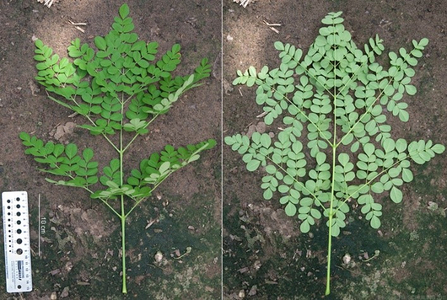
The tropical drumstick tree (Moringa oleifera) originates from India. Its leaves, flowers, roots and fruits are extremely rich in protein, vitamins and minerals. They serve as food or for the production of dietary supplements. The latter can be contaminated by heavy metals or fungal toxins, for example. A European team of scientists led by Veronika Somoza of the LSB has now summarized current scientific information on the quality and safety of the "superfood" and its products in a review article.
Michael Paul is the new head of administration at the Leibniz Institute for Food Systems Biology
Freising, November 02, 2021
The Leibniz Institute for Food Systems Biology at the Technical University of Munich (LSB) has strengthened its top management with Michael Paul. The state-certified business economist with a focus on business informatics and organization will take over the position of the head of administration on November 01, 2021. In the future, Prof. Dr. Veronika Somoza as Director of the LSB and Michael Paul will form the Leibniz Institute's Steering Board.

October
Prof. Dr. Veronika Somoza receives research award from the Gesellschaft für angewandte Vitaminforschung e. V. (Society for Applied Vitamin Research)
Freising, October 31, 2021 - Prof. Dr. Veronika Somoza, Director of the Leibniz Institute for Food Systems Biology at the Technical University of Munich (LSB), together with Prof. Dr. med. Mette M. Berger from the Swiss Lausanne University Hospital, today received the 2021 Research Award of the Gesellschaft für angewandte Vitaminforschung e. V. (GVF). With this prize, which is awarded only every two years, the GVF honors excellent scientists from Germany, Austria and Switzerland for fundamental contributions in the field of vitamins and nutrients. The prize is endowed with a total of EUR 3,000.
Read more: vitaminforschung.org/preise-und-foerderung/gvf-forschungspreis

Gastric cells—Plant substance from wine influences acid secretion via a bitter receptor
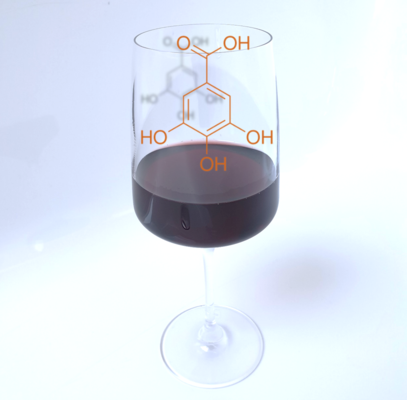
Freising, October 27, 2021 - Gallic acid is a secondary plant ingredient found in wine or green tea. An Austrian-German team of scientists led by Veronika Somoza, has now found evidence that gallic acid influences gastric acid release by activating a bitter receptor. The study results provide new insights into the still unknown functions of bitter receptors in interaction with taste-active food ingredients.
"Book a scientist" has started again
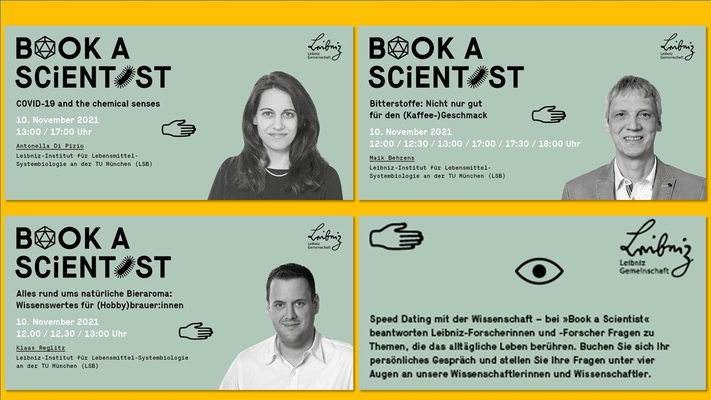
To all those curious and thirsty for knowledge, we want to make an exciting offer with the upcoming "Book a Scientist" on November 10, 2021: Book your exclusive, virtual conversation also with three of our LSB researchers. They will provide insight into their research topics and their everyday work, answer your individual questions and look forward to exchanging ideas with you.
You can find the approx. 130 topics offered by the Leibniz Association as well as dates here: www.leibniz-gemeinschaft.de/bookascientist.
To reserve a talk, write an email to veranstaltungen(at)leibniz-gemeinschaft.de stating your name, the topic you have chosen and the time slot you would like to attend. You will receive a confirmation email if the appointment is still available. You are also welcome to send us already one or two questions that you are particularly interested in regarding the chosen topic. The offer is free of charge. The discussions take place virtually. Some talks are also offered in English.
Fat-reduced foods—Drying improves sensory property of microparticles
Today, food manufacturers use tiny protein particles to give low-fat products a creamy mouthfeel. The basis for the microparticles is usually whey protein - i.e. animal protein. To produce pea-based microparticles, it is necessary to optimize current process technologies for vegetable proteins. One problem are sensory off-notes that occur. As a team of scientists led by the Technical University of Munich has now shown, drying helps to reduce the grassy, beany off-flavor of the plant-based microparticles. Food chemist Johanna Kreißl from the LSB was also involved in the study.
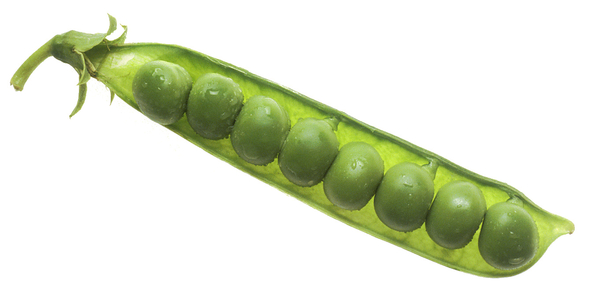
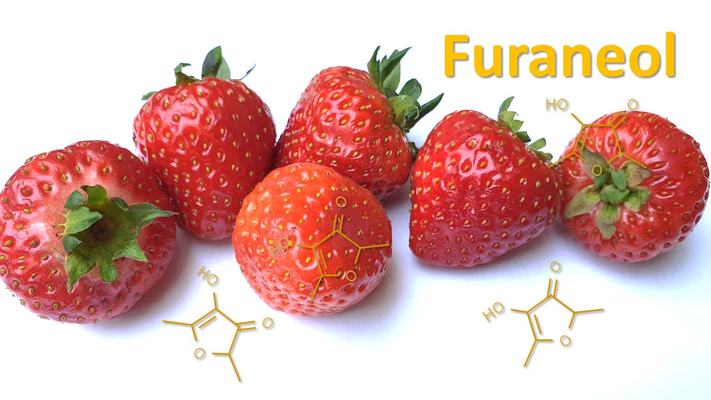
"Caramel receptor" identified—New insights from the world of chemical senses
Freising, October 12, 2021
Who doesn't like the smell of caramel? However, the olfactory receptor that contributes decisively to this sensory impression was unknown until now. Researchers at the Leibniz Institute for Food Systems Biology at the Technical University of Munich (LSB) have now solved the mystery of its existence and identified the "caramel receptor". The new knowledge contributes to a better understanding of the molecular coding of food flavors.
September
Chemosensory disorders in COVID-19−recovery patterns identified
It is estimated that up to 98 percent of individuals diagnosed with COVID-19 develop chemosensory disorders. The sense of smell is particularly affected. How well and quickly affected individuals recover from this varies. An international team of scientists has now analyzed data from 974 Italian study participants collected by the Global Consortium for Chemosensory Research (GCCR) based on self-reporting by the participants. The researchers identified two recovery patterns that were associated with age, severity of chemosensory disorder, but also regional origin. The new findings should help facilitate the selection of appropriate therapeutic interventions. Antonella Di Pizio and Andreas Dunkel were involved in the study. Both head their own research group at Leibniz-LSB@TUM.
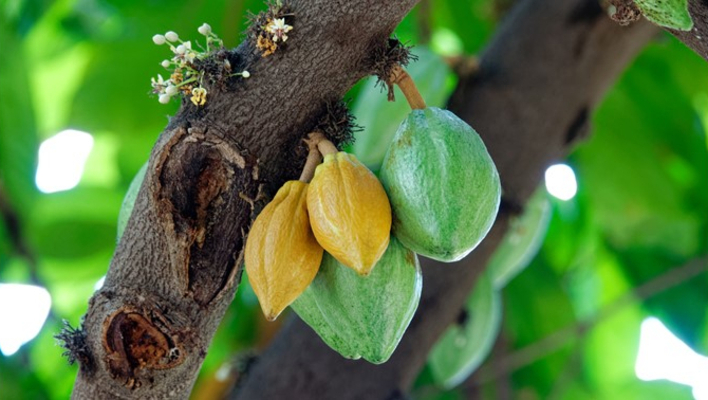
News on fine cocoa flavor
Quickly and precisely determining the flavor profile of cocoa samples
Freising, September 17, 2021
Because a plethora of flavor compounds contribute to the distinctive taste of cocoa, its composition is difficult to analyze. Now, scientists at the Technical University of Munich (TUM) and the Leibniz Institute of Food Systems Biology (LSB) have developed a new methodology that quickly, easily, and precisely quantifies the flavor profile of cocoa samples.
2D liquid chromatography for metabolome studies—column combination is crucial
The great structural diversity of metabolites in biological samples, such as urine, poses major challenges for analytical methods. In particular, the separation of such complex substance mixtures is difficult. Combining two separation phases in gas or liquid chromatography has therefore gained in importance in recent years. A team of scientists led by Leibniz-LSB@TUM and TU Munich has now investigated the effectiveness of different column combinations in 2D liquid chromatography and tested their performance by predicting an optimal separation system for the urine metabolome. "Our results indicate that a combination of different chromatographic separation principles in particular increases the 2D separation potential," says Andreas Dunkel, working group leader at the Leibniz Institute.
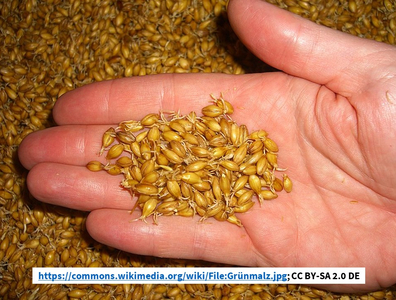
How specialty malts influence the aroma of bottom-fermented beers
The use of specialty malts in brewing not only results in darker beer color, but also influences the aroma. Until now, however, little has been known on the aroma effect of specialty malts at the molecular level. A team of scientists led by Martin Steinhaus from Leibniz-LSB@TUM has now investigated this effect with bottom-fermented beers and specialty malts from barley. The results show that a simple transfer of malt odorants into beer is less important than previously thought. Instead, the data suggest that the specialty malts contain precursor molecules from which a large proportion of the odorants are only formed during beer production.
This IGF Project of the FEI was supported via AiF within the program for promoting the Industrial Collective Research (IGF) of the German Ministry of Economics and Energy (BMWi), based on a resolution of the German Parliament. Project no. 18669 N.
August
Leibniz-LSB@TUM congratulates!
Dissertation of Dr. Karin Sebald honored
The Friedrich Meuser Research Prize is awarded annually by the Research Association of the German Food Industry (FEI) to the best dissertation produced as part of an Industrial Collective Research (IGF) project funded by the FEI. This year, for the first time, the prize will be awarded twice: To Dr. Johannes Schäfer and Dr. Karin Sebald in recognition of their special scientific achievements in the context of their dissertations.
On the occasion of the virtual award ceremony on September 9, 2021, at 11 a.m., Dr. Johannes Schäfer and Dr. Karin Sebald will jointly give a tandem lecture in which they will present their work: "Optimizing production processes and conserving food resources thanks to IGF: sour whey-free production of non-bitter cream cheese products from concentrated milk" is the title of the web lecture, which will be preceded by a short laudatory speech by FEI Chairman Dr. Götz Kröner. Registrations are now open via the FEI website; participation is free of charge.
Further information can be found on the FEI website incl. photo download: www.fei-bonn.de/pm-20210804-meuser-forschungspreis-vortrag

Tools for the visualization of bioactive proteins put to the test
Molecular interactions between proteins play a key role in many biological processes. They are of high interests for drug discovery but also gaining increased relevance for food (re)formulation. An international team of scientists led by Antonella Di Pizio from Leibniz-LSB@TUM has now tested various computational tools that researchers use to analyze and image such interactions. Different protein-protein interactions have been analyzed as case studies, including the interaction between the SARS-CoV-2 and its receptor ACE2. In the current publication, the research team has described the functions of some of the available tools as well as provides practical information on their use.

July
Mint Aroma Analytics 2.0—Faster and More Precise
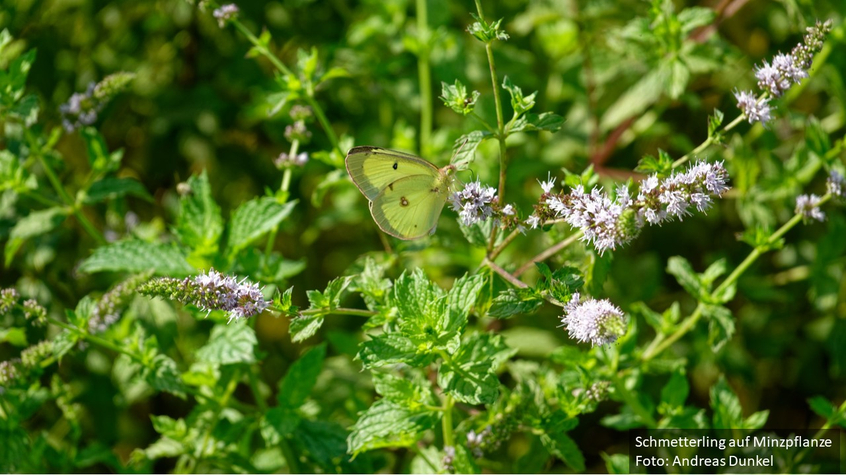
Various types of mint such as peppermint or spearmint offer different aromas that provide a fresh note to many dishes and beverages, especially now in summer. A team of scientists led by the Technical University of Munich has now further developed an analytical methodology that can be used to quickly and precisely quantify the aroma-imparting components of mint leaf or oil samples using a high-throughput method. "The new methodology can support breeding studies by helping to map key pathways of mint flavor biosynthesis or monitor aromatic changes depending on growth stages and environmental conditions" says food chemist Andreas Dunkel from Leibniz-LSB@TUM, who was involved in the study. The research was financially supported by Mars Wrigley (USA).
Good taste despite salt reduction−it's the distribution that counts
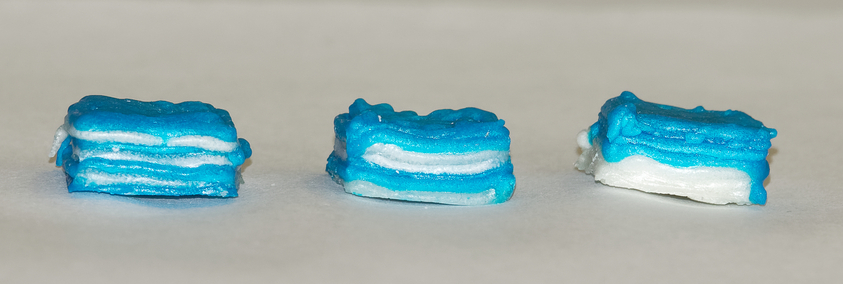
Reducing the salt content of bakery products such as bread without compromising taste is a challenge. One solution would be to create products with an inhomogeneous salt distribution, as this enhances the perceived salt taste. A team of researchers led by the Technical University of Munich has therefore further developed a 3D food printing method for bakery products. With this, it is possible to specifically create dough layers that differ greatly in salt concentration. "Our results could help develop foods that are reduced in salt but still have a good taste and support a healthy diet," says food chemist Andreas Dunkel from Leibniz-LSB@TUM, who was involved in the study. Likewise, it would be conceivable to apply the further developed 3D method to other substance classes such as aroma compounds in order to develop health-promoting products with an ideal sensory profile.
June
Progress in the functional characterization of human olfactory receptors
Freising, June 22, 2021
A team of scientists from the Leibniz Institute for Food Systems Biology at the Technical University of Munich has now discovered that the odorant receptor OR5K1 is specialized to recognize pyrazines in both humans and domesticated animals. These are volatile substances that contribute to the typical odor of many vegetables or are formed when food is heated. In addition, pyrazines also play a role as signaling substances in intra- or interspecific communication. The new research results contribute to a better understanding of the molecular mechanisms underlying the odor perception of food as well as olfactory communication.
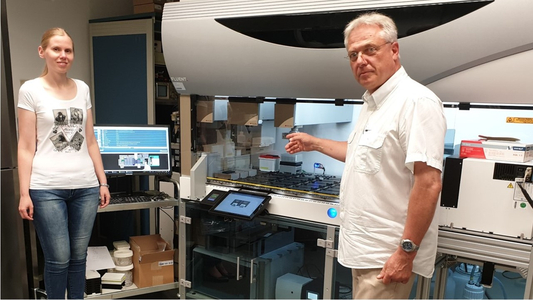
May
DFG funding obtained to develop a maskless array synthesizer
Prof. Mark Somoza of Leibniz-LSB@TUM has received DFG funding to develop a next-generation maskless array synthesizer. The planned open-source table-top instrument is an optical engine coupled to a standard solid-phase synthesizer. Among other things, it is intended to enable the simple and cost-effective synthesis of nucleic acids or peptides on an ultra-large scale. Somoza's team plans to use the device, for example, to create DNA libraries that will allow large amounts of data to be archived, such as those generated in high-throughput analyses of food. Read also: Low cost DNA data storage using photolithographic synthesis and advanced information reconstruction and error correction https://www.nature.com/articles/s41467-020-19148-3

Alessandro Nicoli received poster prize
Alessandro Nicoli received the 2nd prize of the Flavour perception/modelling session at the 16th Weurman Flavour Research Symposium, May 4-4, 2021. Poster title: In-silico exploration of bitter taste receptor selectivity towards food-derived compounds.
April
Bile acids determined reliably and quickly–New methodology developed
Bile acids are an important end product of cholesterol metabolism and play an important role in fat digestion and absorption. At the same time, they can serve as biomarkers for various diseases, including those related to diet or inflammatory bowel diseases such as Chrohn's disease. However, precise analysis of bile acids in complex biological matrices (e.g., stool samples) has been difficult and costly. A team of scientists led by TUM has therefore further developed an analytical methodology that can now be used to precisely and rapidly quantify a wide range of bile acids even in very small sample quantities. This was demonstrated by studies conducted by the team as part of a Chrohn's disease study, in which they investigated relationships between intestinal microbiota and bile acid metabolism. Andreas Dunkel from Leibniz-LSB@TUM also contributed significantly to the development of the new methodology.

Bitter substance from mustard stimulates human immune cells
Scientific studies attribute anti-inflammatory and immunomodulatory properties to the main component of mustard oil (allyl isothiocyanate). A new study led by the University of Freiburg now indicates that the substance also exerts its effect via a bitter receptor. This receptor is found not only on taste cells but also on immune cells and reacts highly sensitively to allyl isothiocyanate, which is contained, for example, in extra-hot mustard. "Even the lowest concentrations of the food ingredient are sufficient to stimulate human immune cells via the bitter receptor," says Maik Behrens of Leibniz-LSB@TUM, who was involved in the study. However, about 25 to 30 percent of the population possess only an inactive variant of the bitter receptor. This could contribute to the fact that people react quite individually to mustard oil, the researcher adds.
Reliably detecting cocoa off-flavors–Relevant not only for chocolate fans
Freising, April 20, 2021
Musty, moldy, smoky or horse dung-like smelling cocoa is not suitable for chocolate production. As part of a larger research project, a team of scientists led by Martin Steinhaus from the Leibniz Institute for Food Systems Biology at the Technical University of Munich has identified the odorants responsible for such off-flavors. The food industry can now use these results to objectively assess the sensory quality of fermented cocoa based on odorant concentrations. The research team published the data in the Journal of Agricultural and Food Chemistry.

Nutrients and healthy aging−Start-up funding for master thesis obtained
The Society for Applied Vitamin Research (GVF) and the Society of Nutrition and Food Science (SNFS) are funding three projects in the field of "Healthy Aging - The Contribution of Adequate Nutritional Status with Essential Nutrients". Among the selected projects is a master thesis that will be started in the research group of Prof. Dr. Veronika Somoza at Leibniz-LSB@TUM. Topic:"Improving the sensory quality of liquid nutritional supplements used in long-term care nutrition of older adults by adding appetite-stimulating aroma compounds."
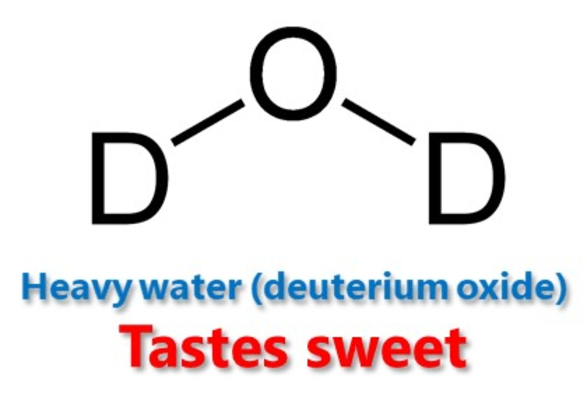
New study resolves long-standing controversy: Heavy water tastes sweet
As the results of an Israeli-Czech-German collaborative project show, heavy water (deuterium oxide) tastes sweeter than normal water. Additionally, the new data prove for the first time that heavy water activates the human sweet receptor and also enhances the sweetness of sweeteners. The study helps to resolve a controversy sparked by a 1935 Science publication based on a self-experiment by an American Nobel laureate. It also paves the way for further research that will help to understand sweet taste perception at the molecular level. Dr. Maik Behrens from the Leibniz Institute for Food Systems Biology at the Technical University of Munich was also involved in the study.
Publication: Ben Abu N, Mason PE, Klein H ... Behrens M, Niv MY, Jungwirth P (2021) Commun Biol 4, 440, DOI: 10.1038/s42003-021-01964-y. Sweet taste of heavy water. https://www.nature.com/articles/s42003-021-01964-y
March

Diet shapes taste perception - What can be learned from bloodsucking bats?
Vampire bats feed exclusively on the blood of their victims. This has apparently shaped their taste perception. The animals lack taste sensors for sweet and umami. For bitter substances, however, they have some remaining receptor types, which argues for their usefulness. As a new study by Leibniz-LSB@TUM now shows, the three bitter sensors that are conserved among all bloodsucking bat species are very similar to human ones. Among other things, they detect magnesium sulfate (Epsom salt). This is a salt that has therapeutic benefits in small doses or, when consumed in the form of special table salt (pan salt), is supposed to help lowering blood pressure. Ingested in excess, however, it leads to heart and digestive problems. The study results therefore once again suggest that the taste receptors for bitter minerals are highly conserved and therefore nutritionally relevant.

What brings olfactory receptors to the cell surface − "Zip codes" for odor sensors identified
A team of scientists led by Dietmar Krautwurst from the Leibniz Institute for Food Systems Biology at the Technical University of Munich has now identified address codes in odorant receptor proteins for the first time. Similar to zip codes, the codes ensure that the sensor proteins are targeted from inside the cell to the cell surface, where they begin their work as odorant detectors. The new findings could contribute to the development of novel test systems with which the odorant profiles of foods can be analyzed in a high-throughput process and thus could be better controlled.
Publication: Kotthoff M, Bauer J, Haag F, Krautwurst D (2021) FASEB J, 35: e21274. DOI: 10.1096/fj.202000182RR. Conserved C-terminal motifs in odorant receptors instruct their cell surface expression and cAMP signaling. http://dx.doi.org/10.1096/fj.202000182RR
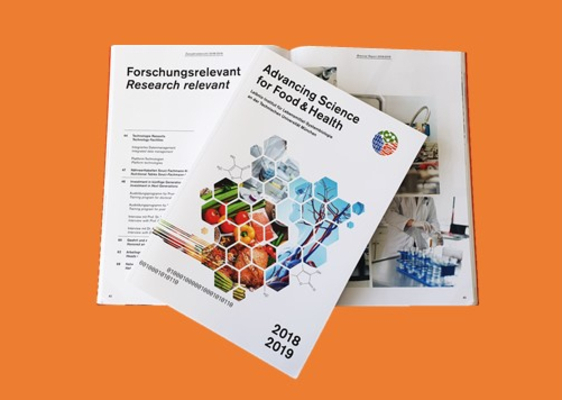
Now published: Research Report 'Advancing Science for Food & Health'
Biennial report of the Leibniz Institute for Food Systems Biology at the Technical University of Munich.
Freising, March 16, 2021
With this bilingual report (German/English) we not only provide exciting insights into our science and research, but also report on important events in 2018 and 2019.
Bitter receptor involved in anti-inflammatory effect of resveratrol?
Freising, March 02, 2021
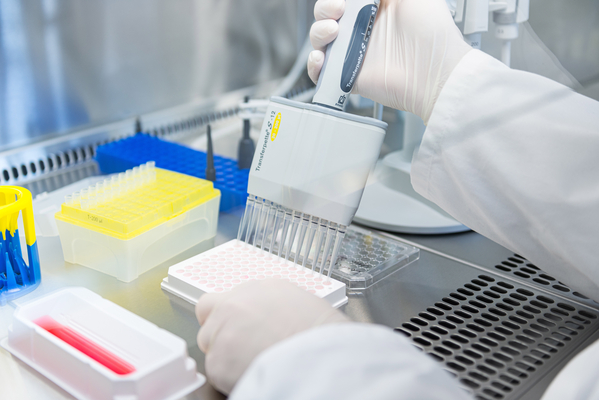
Resveratrol is a plant compound found primarily in red grapes and Japanese knotweed. Its synthetic variant has been approved as a food ingredient in the EU since 2016. At least in cell-based test systems, the substance has anti-inflammatory properties. A recent collaborative study by the Leibniz Institute for Food Systems Biology at the Technical University of Munich and the Institute of Physiological Chemistry at the University of Vienna has now shown that the bitter receptor TAS2R50 is involved in this effect. The team of scientists led by Veronika Somoza published its results in the Journal of Agricultural and Food Chemistry.

February
New high-throughput methodology for odor-active compounds
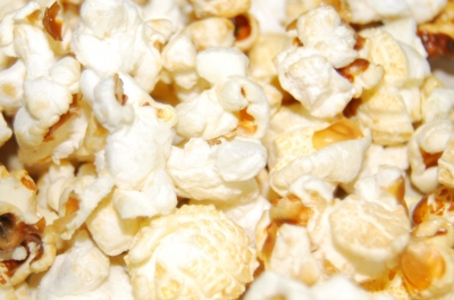
Scientists at TUM and Leibniz-LSB@TUM have developed a new methodology for odor-active compounds of carbohydrate-rich foods. It can be used to quickly and easily detect and quantify substances in high throughput that are formed by heat exposure or due to enzymatic reactions and contribute, for example, to the scent of basmati rice or popcorn. The new methodology is characterized by straightforward sample preparation, small sample volumes (0.5 g), and the incorporation of ultra-high performance liquid chromatography-tandem mass spectrometry (UHPLC-MS/MS) analysis.
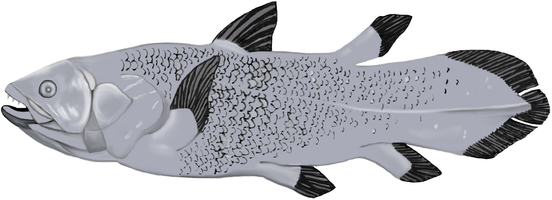
From Coelacanths to Humans−What Evolution Reveals about the Function of Bitter Receptors
To evaluate the chemical composition of food from a physiological point of view, it is important to know the functions of the receptors that interact with food ingredients. These include receptors for bitter compounds, which first evolved during evolution in bony fishes such as the coelacanth. What 400 million years of evolutionary history reveal about the function of both fish and human bitter receptors was recently published in the journal Genome Biology and Evolution by a team of researchers led by the Leibniz Institute for Food Systems Biology at the Technical University of Munich and the University of Cologne. Read more...
Publication: Behrens M, Di Pizio A, Redel U, Meyerhof W, Korsching SI (2020) Genome Biol Evol, evaa264, DOI: 10.1093/gbe/evaa264. At the root of T2R gene evolution: Recognition profiles of coelacanth and zebrafish bitter receptors
https://academic.oup.com/gbe/advance-article/doi/10.1093/gbe/evaa264/6045956
January
The sound of coffee
Pilot project of the WESOUND GmbH and the Leibniz-LSB@TUM
Coffee is pure magic - invigorating and calming at the same time, inspiring and a complex taste experience. As self-confessed coffee lovers, the WESOUND GmbH is excited about the cooperation with the Leibniz Institute for Food Systems Biology at the Technical University of Munich on the topic of "coffee". In a pilot project, WESOUND focused its attention on the sensual perception of enjoying a good cup of coffee and interpreted it artistically.
Close your eyes and stop time for a brief moment with the Sound Mood - ahhh, pure coffee bliss. ;-)

At the turn of the year