Leibniz-LSB@TUM-News 2019
December
Happy holidays and a happy New Year!
The Leibniz-LSB@TUM wishes all current and former colleagues, research partners, friends and supporters happy holidays and a happy New Year!
November
New Chairman of the Working Group on Flavourings of the GDCh
Frankfurt, November 18
PD Dr. Martin Steinhaus from the Leibniz-LSB@TUM was elected as the new chairman in the 41st session of the Working Group on Flavourings of the German Chemical Society (GDCh). He will initially take over the chairmanship of the working group for the period 2020 to 2022. The working group has existed since 1998 and currently has 19 active members from the university, flavour industry, food monitoring and trade laboratories. The group meets twice a year to exchange information. Consensual views of the working group on current issues are published in position papers. In 2010, the working group produced a brochure in German language which was updated in 2019. It is aimed at interested consumers and provides information on the significance of flavouring substances.

Book release:
Food researchers, students, and PhD students watch out!
Dr. habil. Maik Behrens of the Leibniz-LSB@TUM and two of his former colleagues of the German Institute of Human Nutrition give a detailed introduction into functions of taste receptors with clinical implications.
To read in:
Handbook of Clinical Neurology, Vol. 164 (3rd series), © 2019 Elsevier B.V.
Smell and Taste; Editor: R.L. Doty
J.C. Töle, M. Behrens, and W. Meyerhof, Taste receptor function
Chapter 11, Pages 173-185
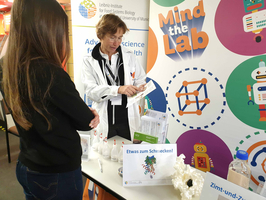
Berlin Science Week - Mind the lab!
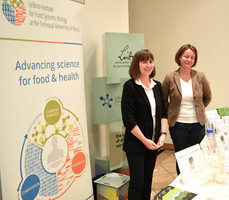
Participation with an information booth at "Mind the lab". Topic: "Not only good for taste". berlin.mindthelab.org/portfolio-types/friedrichstrasse/.

Berlin Science Week, Leibniz Debate - "Health"
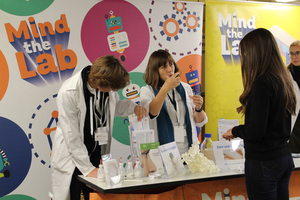
As a part of the Berlin Science Week and the event “Leibniz debattiert” (“Leibniz Debate”), this time on the subject of vaccination/immunization, a Leibniz Theme Day took place on November 05, 2019 from 5:00 pm in Berlin. The Leibniz Research Alliance "Bioactive Compounds and Biotechnology" was presented for visitors of the event.
The presentation was supported by the colleagues of the Leibniz Research Cluster, the "Wirkstoffradio"-project and the Leibniz-LSB@TUM.

Walter Bushuk Graduate Research Award in Cereal Protein Chemistry
During the Cereals & Grains 19 Annual Meeting in Denver, CO, USA, from 03.-05.11.2019, Dr. Sabrina Geißlitz of the Leibniz-LSB@TUM (Working Group Functional Biopolymer Chemistry) was awarded with the Walter Bushuk Graduate Research Award in Cereal Protein Chemistry. The Award for Ph.D. Students is presented to an individual for outstanding contributions in basic and/or applied research in cereal protein chemistry. This award recognizes research relevant to the broad aims of Cereals & Grains Association The research can be either fundamental/basic (such as improved understanding of structure-function relationships) or applied (such as development of new products, processes, techniques).
Read more…
11th Annual Best Student Research Paper Competition 2019
The objectives of the competition are to challenge students to demonstrate superior presentation skills, present their research, and offer an opportunity for students to interact with the Cereals & Grains community at an early stage in their career. Within the 11th Annual Best Student Research Paper Competition during the Cereals & Grains 19 Annual Meeting from 03.-05.11.2019 in Denver, CO, USA, Darina Pronin of the Leibniz-LSB@TUM (Working Group Functional Biopolymer Chemistry) won the 2nd place. Read more...
October
Silesia-Clemens-Hanke Research Prize
October 31, 2019
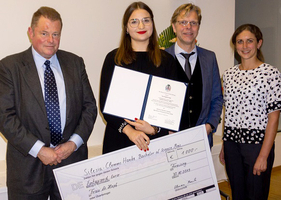
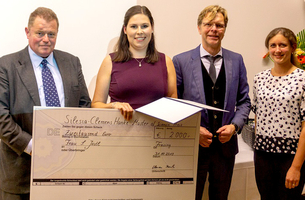
Angelina Hopf received one of the two awards for the best bachelor thesis in food chemistry for her work entitled "Overview of the nutritional composition of gluten-free foods compared to gluten-containing reference products".
Sarah Jöstl was awarded one of the two prizes for the best master thesis in food chemistry for her work with the title "α-Amylase-Trypsin-Inhibitors in processed and unprocessed foods from wheat, barley and rye".
Tracing the function of olfactory receptors - or why copper can enhance onion odour
October 31, 2019
Humans possess hundreds of olfactory receptor types. But how do these receptors work at the molecular level? So far, only little is known about these receptors. Under the leadership of the Leibniz-LSB@TUM, a German-American team of scientists has shown for the first time that the OR2M3 olfactory receptor reacts up to four times more strongly to a sulphurous odour substance from onions in the presence of copper ions. Two newly discovered copper binding sites inside the receptor could be decisive for this.

Lecture at the Wageningen University & Research
October 30, 2019 - Dr. habil. Maik Behrens is invited to give a lecture at Wageningen University & Research, Netherlands on: Vertebrate bitter taste receptors: Functions structures and physiological roles

Photo: C. Schranner / Leibniz-LSB@TUM
Book release
Food researchers, students, PhD students and analysts watch out!
Food chemist PD Dr. Martin Steinhaus gives a detailed introduction into the technique of gas chromatography olfactometry (GC-O).
Ceremonial act “Amtsübergabe”
Freising, October 23, 2019 - We are pleased that the Board of Trustees has approved the replacement of the Scientific Director of the Leibniz-Institute for Food Systems Biology at the Technical University of Munich (Leibniz-LSB@TUM). Prof. Dr. Veronika Somoza will take over this function in the future. She succeeds Prof. Dr. Thomas Hofmann, who has left the institute to devote himself entirely to his duties as the new President of the Technical University of Munich (TUM).

Third semester - Welcome Day 14.10.2019
The new winter semester 2019/20 started for the AG JLC Munich with a cosy get-to-know day at the TUM-Campus Weihenstephan. On the first day of lectures, all third semesters were given the opportunity to explore the campus!
After an exploration rally, the young food chemists had a social barbecue with the AG members and students from higher semesters in front of the building of the Chair of Food Chemistry and Molecular Sensory Science TUM and the Leibniz-LSB@TUM.
Attention: Research seminar in food chemistry starts
on October 14 at 5 pm with Prof. Dr. Jörg Bohlmann from the University of British Columbia, Canada.
The lecture's title is: "Montbretin A: A novel antidiabetic metabolite from the plant montbretia".
September
Prof. Dr. Katharina Scherf receives science award
The Heinrich Stockmeyer Foundation awarded Prof. Dr. Katharina Scherf the "Stockmeyer Science Prize" at the 59th Food Hygiene Workshop on 26 September 2019. With this award, the Foundation honours outstanding food science projects. The award-winning project impresses with practicable solutions and application-oriented research that contribute to improving food safety and consumer protection as well as strengthening consumer confidence in the quality and safety of food in line with the Foundation's purpose. The prize is endowed with 5,000 euros. Scherf receives the prize for the development of a test which is already commercially available and which determines the gluten content of cereal products very precisely.
Press release of the Heinrich-Stockmeyer-Stiftung (In German language only)

On the trail of celiac disease triggers
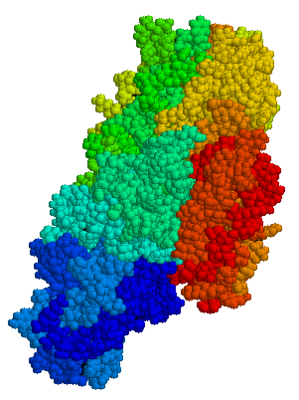
Celiac disease is a chronic inflammatory bowel disease that has characteristics of an autoimmune disease. It is triggered by the consumption of gluten in genetically predisposed people. In addition to gluten, the body's own enzyme, tissue transglutaminase, plays a decisive role in the development of the disease. On the one hand, the enzyme changes the structure of the gluten fragments, which were formed during its digestion in the gut. On the other hand, it binds the gluten fragments firmly to itself. Scientists assume that these enzyme-gluten fragment complexes lead to the formation of autoantibodies. A recent Leibniz-LSB@TUM study provides new insights into the structure of these complexes. The findings could contribute to a better understanding of the role of the body's own enzyme in triggering celiac disease.
Funding: This research project (No. 250645717) was funded by the German Research Foundation (Deutsche Forschungsgemeinschaft, DFG, Bonn). The publication of this article was funded by the Open Access Fund of the Leibniz Association.
On the trail of bitter-tasting proteins
Fermented foods such as cheese or yoghurt contain numerous non-volatile substances that shape the taste profile of the respective food. These also include bitter-tasting fragments of long protein molecules that are formed during cheese ripening, for example. Researchers at the TU Munich and the Leibniz-LSB@TUM have now developed two new mass spectrometry-based analytical procedures which can be used to detect taste-active protein fragments in fermented foods in a very time-saving and comprehensive manner.
Funding: This research project (AiF 18124 N) by the Research Association of the German Food Industry (FEI) received funding from the “Otto von Guericke” Federation of Industrial Research Associations as part of the Industrial Collective Research program by the Federal Ministry for Economic Affairs and Energy pursuant to a parliamentary resolution by the German Bundestag.

Original wheat species are rich in protein
Original wheat species such as emmer, spelt and einkorn have a higher protein and gluten content than bread and durum wheat. In addition, the old species require less nitrogen fertilizer to produce the same protein yields as conventional wheat species. These are the findings of a new study in which scientists of the Leibniz-LSB@TUM were significantly involved. The new findings could contribute to breeding new cereal varieties with improved qualities for more sustainable agriculture.
Funding: This IGF project of the FEI was supported via AiF within the program for promoting the Industrial Collective Research (IGF) of the German Ministry of Economics and Energy (BMWi), based on a resolution of the German Parliament (Project AiF 18355 N).

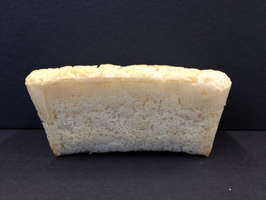
The difference in scent between rice and wheat bread
People affected by coeliac disease must avoid bread containing gluten. They therefore often resort to gluten-free products such as rice bread. A new study has investigated which key odorants are responsible for odor differences between rice and wheat bread. It also shows which measures could be taken to optimise the aroma and thus also the quality of rice bread. Researchers of the Leibniz-LSB@TUM played a leading role in the study.
Funding: This IGF Project of the FEI was supported via AiF within the programme for promoting the Industrial Collective Research (IGF) of the German Ministry of Economic Affairs and Energy (BMWi), based on a resolution of the German Parliament (Project CORNET AiF 147 EN “GLUeLESS”).
August
All the best for the future!
PD Dr. Katharina Scherf has now received a W1 professorship with tenure track (W3) at the Karlsruhe Institute of Technology following her successful habilitation at the TUM. She will be working at the institute from 01.08.2019. She will head the Department of Bioactive and Functional Food Ingredients at the Institute of Applied Biosciences.
The Leibniz-LSB@TUM congratulates Dr. Scherf on her appointment and thanks her very much for her excellent work in the field of research on biopolymers, gluten and cereals as well as on the causes of wheat intolerances. Ms. Scherf has received several awards for her outstanding achievements as a talented, leading scientist at the institute. Among others, she received the Young Scientist Research Award at the 2018 AACC International Annual Meeting in London, UK, and the 2019 Research Award of the German Celiac Disease Society. The latter is associated with a research grant of 20,000 euros. The Institute is proud to have produced such a successful young scientist. For the future we wish her all the best and continued success for her career!
July
Better food quality control‒Food profilers develop new methodological approach for food analysis
Freising, July 30, 2019
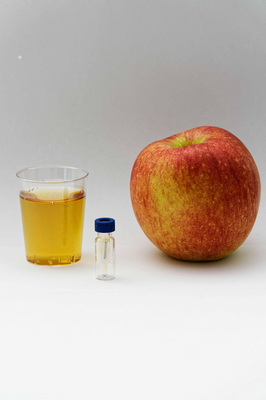
Scientists at the Technical University of Munich (TUM) and the Leibniz-Institute for Food Systems Biology have developed a new methodology for the simultaneous analysis of odorants and tastants. It could simplify and accelerate the quality control of food in the future.
Read more...
New gluten test is reliable
Under the leadership of PD Dr. Katharina Scherf from Leibniz-LSB@TUM, 19 laboratories from all over the world have tested whether a new gluten test lives up to its promise. The new gluten ELISA test kit is the first to use four different antibodies simultaneously. As the researchers show, the test is able to detect gluten contaminations in oats and oat products derived from wheat, rye and barley. This is a decisive advantage over the antibody-based tests previously used, which only detect a specific gluten fraction (prolamins).
The new test kit (RIDASCREEN® Total Gluten, R7041) is a result of the BMBF-funded joint project "Fluorescence optical rapid test system for the sensitive detection of gluten (GLUTEVIS)".
Complementary Publication: Wehling P, Scherf KA (2019) J AOAC Int, DOI: 10.5740/jaoacint.19-0081. Preparation of validation materials for estimating gluten recovery by ELISA according to SMPR 2017.021
Pharmaconutrition‒Modern drug design for functional studies
Freising, July 1, 2019
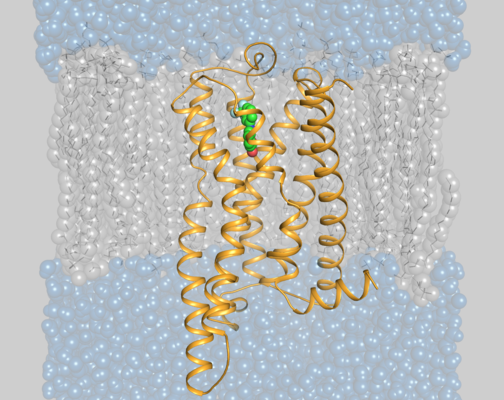
Antonella Di Pizio and Maik Behrens of the Leibniz-Institute for Food Systems Biology at the Technical University of Munich, together with their cooperation partners, have developed highly effective activators for the bitter receptor TAS2R14 in a German-Israeli research project. The new substances are used to investigate the as yet unknown physiological functions of the receptor, for example, in the human immune system.
The team of scientists published their results in the journal Cellular and Molecular Life Sciences (Di Pizio et al., 2019; DOI: 10.1007/s00018-019-03194-2).
Research prize of the German Celiac Disease Society
PD Dr. Katharina Scherf has been awarded the research prize of the German Celiac Disease Society (DZG e.V.) for the research project "Verification of the reliability of a portable sensor for consumers for the detection of gluten". The prize is associated with a research grant of 20,000 euros.
June
June 15, 2019: Long Night of Sciences in Berlin
From 5 to 12 pm, at the Long Night of Sciences in Berlin, scientists of the Leibniz-LSB@TUM presented their research together with partners from the Leibniz Research Alliance "Sustainable Food Production and Healthy Nutrition" at the Headquarter of the Leibniz Association.


8. Round Table Cocoa Hamburg
June 13th - 14th 2019 - Researchers of the Leibniz-LSB@TUM presented new results of their research. Among other things, biochemical and quality changes of cocoa along the processing chain were discussed.
Lecture series "Facets of Food Chemistry" in Hamburg
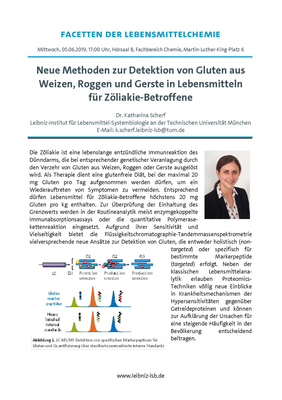
On June 05, 2019 PD Dr. Katharina Scherf from the Leibniz-LSB@TUM will give a lecture at the University of Hamburg on the topic: Neue Methoden zur Detektion von Gluten aus Weizen, Roggen und Gerste in Lebensmitteln für Zöliakie-Betroffene
May
Manfred Rothe Excellence Award in Flavor Research
On May 23, Dr. Antonella Di Pizio of the Leibniz-LSB@TUM has been awarded the platinum edition of the Manfred Rothe Excellence Award in Flavor Research at the 12th Wartburg Symposium. The purpose of the award is to honor and stimulate researchers for excellent contributions to aroma and taste research.
Profile of Dr. Antonella Di Pizio

The scent of jackfruit pulp
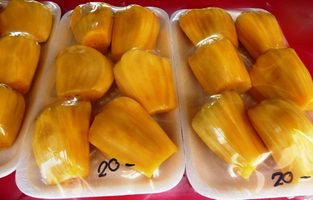
Researchers at Leibniz-LSB@TUM have identified 35 key odorants that cause the typical jackfruit pulp aroma. The data will provide a basis for further studies on the aroma differences between jackfruit varieties and studies aimed to elucidate the molecular background of aroma changes during jackfruit processing. The data may also be used to aid in the development of new jackfruit cultivars with superior aroma properties by targeted breeding.
12th Wartburg Symposium on Flavour Chemistry & Biology
May 21-24, 2019 | Eisenach/Germany
Scientists of the Leibniz-LSB@TUM participate:
Today (May 21, 2019) Dr. Maik Behrens gives a lecture on the topic: Taking fingerprints of the evolution - Bitter taste receptor gene repertoires.
Followed by Dr. Patrick Marcinek with a lecture on: Selective chemoreception of food-relevant pyrazines relates to evolutionary conserved detection of semiochemicals.
Further information: http://www.wartburg-symposium.de
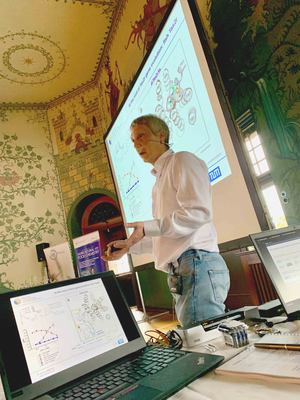
Nitrogen fertilization influences the baking quality of wheat flour–Less is sometimes more
An international team of scientists has investigated the extent to which late nitrogen leaf fertilisation of wheat can contribute to an improved baking quality of wheat flour. As the new study shows, late fertilisation only optimises the baking quality if the plants had a low nitrogen uptake due to unfavourable environmental conditions. In particular, fertilization with 100 kg nitrogen per hectare led to an optimal protein composition in the wheat grain and thus achieved a high baking quality of the flour. The Leibniz-LSB@TUM was also involved in the study.
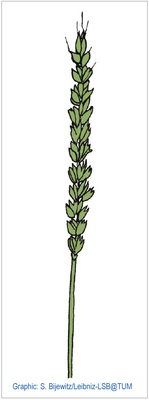
Lecture series "Facets of Food Chemistry" in Hamburg
On May 08, 2019 PD Dr. Steinhaus from the Leibniz-LSB@TUM will give a lecture at the University of Hamburg on the topic:
Geruchsaktive Verbindungen in Lebensmitteln: Bedeutung, Analytik und Anwendung zur Verbesserung der sensorischen Produktqualität (Odour-active compounds in food: Significance, analysis and application for the improvement of sensory product Quality)
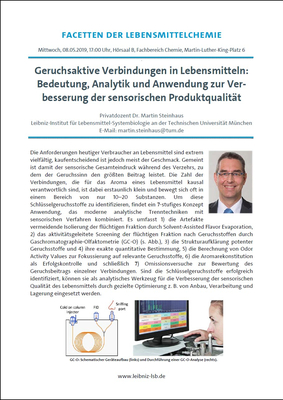
Optimizing fresh cheese production
A team of scientists led by the University of Hohenheim has now refined a new method for the production of fresh cheese. Microfiltration makes it possible to produce fresh cheese in such a way that it tastes less bitter and that sweet whey is produced as a by-product that can be easily processed. The decisive factor is that the calcium-protein ratio of the milk retentate is decreased to ≤ 15.9 mg/g prior to fermentation. Researchers from Leibniz-LSB@TUM and TU Munich were also involved in the project.
Funding: This IGF Project of the FEI was supported via AiF within the programme for promoting the Industrial Collective Research (IGF) of the German Ministry of Economic Affairs and Energy (BMWi), based on a resolution of the German Parliament (Projects AiF 18124 N und 19688 N).
April
WSR013 How does our sense of smell work?
Interview with PD Dr. Dietmar Krautwurst (April 14, 2019)
Bernd Rupp and André Lampe of the Wirkstoffradio were guests at the Leibniz-LSB@TUM and spoke with several researchers about the chemosensory systems.
(In German language only)
Skin Care: Micelles
Facial toner in the check
PD Dr. Martin Steinhaus in interview with BR-TV Gesundheit (April 9, 2019)
(In German language only)
Read more: https://www.br.de/br-fernsehen/sendungen/gesundheit/mizellenwasser-kosmetik-haut-100.html
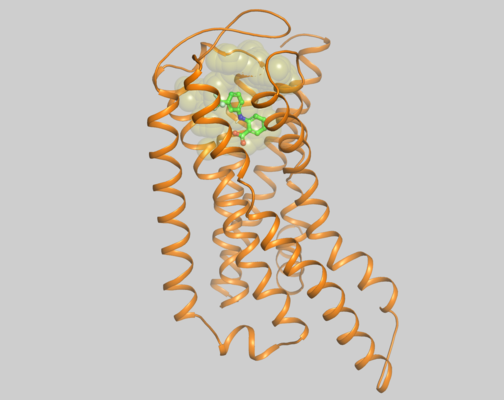
New findings on the effect of Epsom salt - Epsom salt receptor identified
A team of scientists headed by Maik Behrens from the Leibniz-Institute for Food Systems Biology at the Technical University of Munich has identified the receptor responsible for the bitter taste of various salts. These include medically used Epsom salt. The discovery helps to elucidate the physiological mechanisms by which Epsom salt affects the heart or gut.
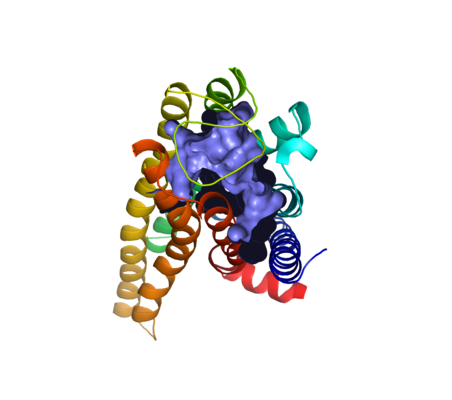
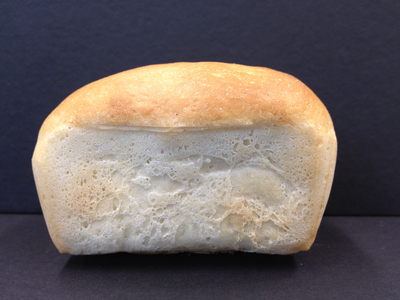
Improving bread quality through kneading
Wheat dough with a high content of mechanically modified starch requires longer kneading times than bread dough made from standard flour. An extended kneading time improves the microstructure of the dough and increases the bread volume by almost 25 percent. This is a result of a new cooperation study conducted by the TU Munich and the Leibniz-LSB@TUM.
Funding: This IGF Project of the FEI was supported via AiF within the programme for promoting the Industrial Collective Research (IGF) of the German Ministry of Economic Affairs and Energy (BMWi), based on a resolution of the German Parliament (Project AIF 18679N).
Seminar by Dr. Antonella Di Pizio at the Forschungszentrum Jülich
On April 02, Dr. Antonella Di Pizio from the Leibniz-LSB@TUM gave a seminar lecture at the Forschungszentrum Jülich. The title of the lecture was: From chemistry to biology and back: molecular recognition of bitter molecules
News about gluten and wheat allergy
WDEIA (wheat-dependent exercise-induced anaphylaxis) is a rare form of wheat allergy. Physical activity, alcohol or certain medications are suspected of increasing the absorption of gluten components (gliadins) from the intestine into the blood and thus triggering the allergy. As a new study shows, the blood levels of gliadins are independent of the named factors ̶ at least in healthy persons. Neither did the researchers observe a correlation between gliadin levels and zonulin, a marker for the permeability of the intestinal barrier. The Leibniz-LSB@TUM was significantly involved in the study.
Funding: This work was supported by the German Research Foundation (DFG) and the Technical University of Munich (TUM) in the framework of the Open Access Publishing Program.

March
Girls'Day at the Leibniz-LSB@TUM
On March 28, 2019, our young guests were given an insight into the research of our institute. They learned a lot about the job of a bioinformatician and enjoyed the day very much. Many thanks to all those who contributed to the success of the event.

Beyond the flavour – Chemoreceptors offer approaches for the development of new drug therapies
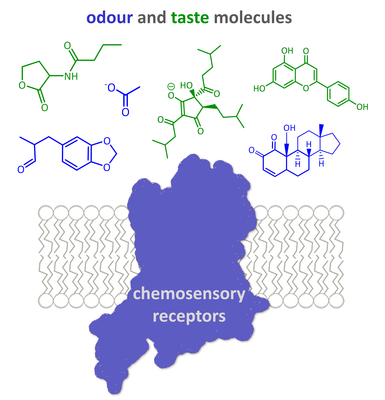
Odour and taste receptors are not only found in nose or mouth. Recent studies indicate that they also take on other functions in the body, for example in the immune system or the regulation of metabolism. Therefore, they could serve as starting points for the computational development of new therapeutics. A new review article of the Leibniz-LSB@TUM summarises the current data on this topic.
Funding: This work was supported by the TUM in the framework of the Open Access Publishing Program.
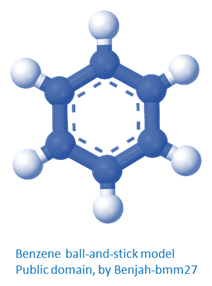
Determining the benzene content of foods safely
Benzene is carcinogenic. For this purpose, it is important to accurately determine the benzene content in flavoured foods, such as cherry-flavoured drinks. A team of scientists from the Leibniz-LSB@TUM and the TU Munich has now developed a new, reliable analytical method that can detect even the smallest amounts of benzene in foods.
Funding: This research project was supported by the German Ministry of Economics and Energy (via AiF) and the FEI (Forschungskreis der Ernährungsindustrie e.V., Bonn). Project AiF 18813 N.
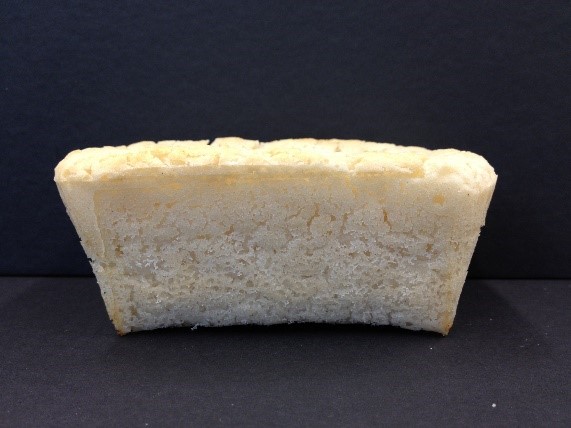
The scent of gluten-free rice flour and bread
People affected by the small intestinal disorder celiac disease must avoid gluten-containing bread. They therefore often resort to gluten-free substitutes such as rice bread. A new study has now for the first time identified the key odorants that characterize the scent of gluten-free rice flour or rice bread. The results could help to optimize the aroma and thus the quality of gluten-free baked goods. Researchers from Leibniz-LSB@TUM were significantly involved in the study.
Funding: This research project was supported by the German Ministry of Economics and Energy (via AiF) and the FEI (Forschungskreis der Ernährungsindustrie e.V., Bonn) (project CORNET AiF 147 EN “GLUeLESS”).
February
Olfactory profiles of propolis
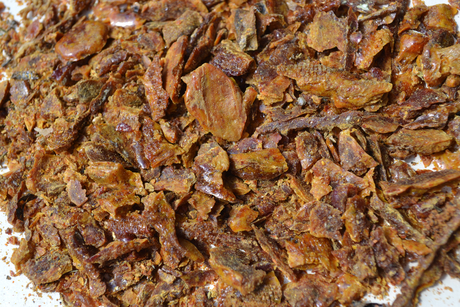
Propolis is a fragrant, sticky material produced by bees. It has antimicrobial properties and is used by food manufacturers as well as cosmetic producers. A US study has now investigated the olfactory profiles of propolis samples from a New Jersey beehive over a period of three years. The results will help to develop new methods for quality control of propolis. The Leibniz-LSB@TUM was also involved in the study.
Bioelectronic tongue developed for bitter compounds
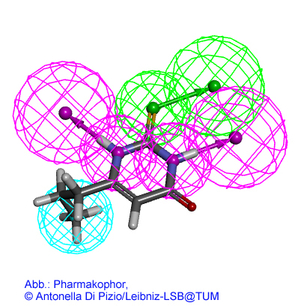
An international research team, including the Leibniz-LSB@TUM, has developed a cell-based “bioelectronics tongue”. It is used to specifically identify bitter substances containing a thiourea or isothiocyanate group. Previous studies suggest that some of these compounds are anti-cancerogenic. The new test system could therefore be used both in future food and pharmaceutical studies.
Wheat proteins and immune system
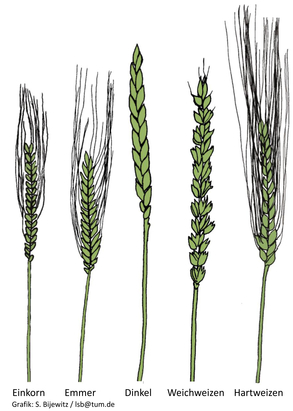
Wheat is an important nutrient source, which also contributes to our protein supply. However, gluten and non-gluten proteins have been identified as allergens or triggers of celiac disease. A new article by the Leibniz-LSB@TUM now provides an overview about wheat proteins and the immune system.
Funding: This work was supported by the Leibniz Association within the Leibniz Competition 2016 (project WHEATSCAN, K195/2015).
What are taste receptors doing in the brain?
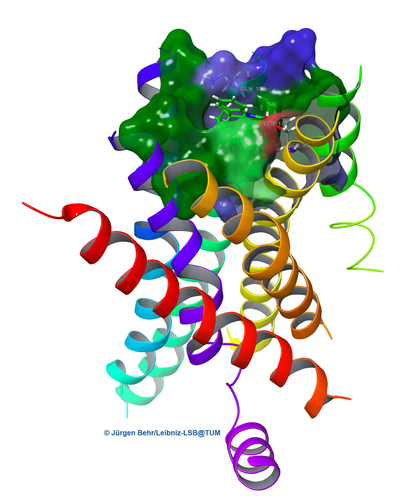
Taste receptors are not just for tasting. They are also found on cells of organs that are involved in the hormonal regulation of the body. These include the brain, the pancreas or the thyroid gland. A new review article of the Leibniz-LSB@TUM summarizes what scientists have discovered so far about possible functions of taste receptors in the (neuro)endocrine system.
Publication: Behrens M, Meyerhof W (2019) J Neuroendocrinol, DOI: 10.1111/jne.12691. A role for taste receptors in (neuro)endocrinology?
January
Bitter rapeseed
Rapeseed doesn't just contain oil but high-quality protein, too. However, protein extracts from rapeseed have an intense, bitter off-taste. A team led by food chemist Thomas Hofmann has now identified the substance that is pivotal for the bitter taste. This is a first step towards developing rapeseed for the human protein supply.

Food chemist has been awarded the scientific prize of the Verband Deutscher Großbäckereien
On January 17, 2019, Kathrin Schalk has been awarded the scientific prize of the Verband Deutscher Großbäckereien at the 48th Wissenschaftlichen Informationstagung der Berlin-Brandenburgischen Gesellschaft für Getreideforschung e.V. in Berlin. The award honors her outstanding dissertation entitled "Development of targeted mass spectrometric methods for the quantification of gluten-specific peptides in foods".
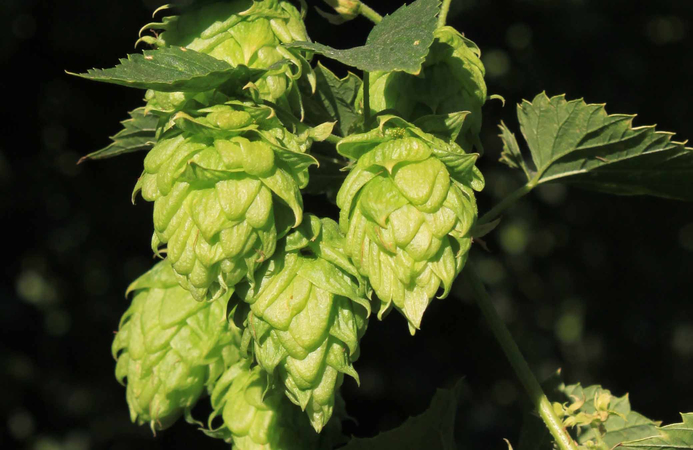
Store craft beer in a cool place and consume it as fresh as possible
A new study by the Leibniz-Institute for Food Systems Biology at the Technical University of Munich (Leibniz-LSB@TUM) shows that craft beer should be kept cool and consumed as fresh as possible. After three months, cold stored beer already loses more than one third of an important hop odorant which characterizes the typical aroma of many craft beers. Storage at room temperature causes the concentration of this substance to decrease even more significantly.
Martin Steinhaus and Klaas Reglitz from the Leibniz LSB@TUM recently published their findings in the journal BrewingScience, doi.org/10.23763/BRSC18-13STEINHAUS.