


Leibniz-LSB@TUM-News 2022
December
Happy holidays
The Leibniz-LSB@TUM wishes everyone happy holidays and a good start into 2023.

New biomarkers for coffee consumption
Freising, December 07, 2022 - In search of new biomarkers for nutrition and health studies, a research team from the Leibniz Institute for Food Systems Biology at the Technical University of Munich (LSB) has identified and structurally characterized three metabolites that could be considered as specific markers for individual coffee consumption. These are degradation products of a group of substances that are formed in large quantities during coffee roasting but are otherwise rarely found in other foods. This and the fact that the potential biomarkers can be detected in very small amounts of urine make them interesting for future human studies.

November
Scientifically committed
Dr. Antonella Di Pizio, head of the Molecular Modeling research group at LSB, was recently appointed as the new Vice Chair of the European Research Network on Signal Transduction (ERNEST) Cost Action ernest-gpcr.eu/core-group/. She has also recently joined the Steering Committee of the European Chemoreception Research Organization (ECRO) Computational Chemosensation special interest group www.ecro.online/interest-groups/computational-chemosensation/.

Congratulations
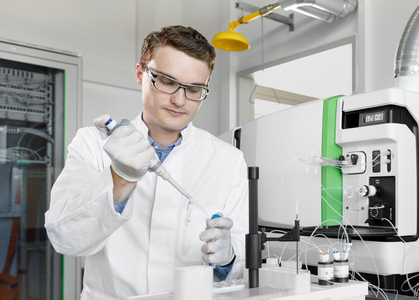
The TUM-GS Internationalization Grant promotes international exchange. PhD students who are not employed at TUM can also apply for the grant. Phil Richter has successfully done so, for which the LSB congratulates him very much! He is a PhD student in the research group "Metabolic Function & Biosignals" of Prof. Dr. Veronika Somoza, Director of the Leibniz Institute. The grant allows the excellent PhD student to spend 14 days of research at the NanoBiophysics Lab of the Université catholique de Louvain (UCLouvain) in Belgium to become familiar with the technique of atomic force microscopy. His goal is to use the technique in the future in collaboration with Dr. Melanie Köhler and her new research group at the LSB to track down previously unknown interactions between food compounds and taste receptors.
Book a Scientist
Now the time has come again. On November 8, 2022, all those who are curious and thirsty for knowledge will once again have the opportunity to hold 25-minute one-on-one talks with researchers from the Leibniz Association as part of Berlin Science Week. Over 120 topics of conversation are on offer.
Dr. Melanie Köhler and Dr. Stephanie Frank from the Leibniz Institute for Food Systems Biology at the Technical University of Munich (LSB) can also be booked as experts in the topic area: Health, Aging & Nutrition.
All topics and dates can be found here: www.leibniz-gemeinschaft.de/bookascientist
![[Translate to Englisch:] Symbolbild für Veranstaltungsankündigung](/fileadmin/_processed_/2/7/csm_221108-BaS-Frank_Stephanie-Twitter-Anzeige-1024x512_2346c565da.jpg)
![[Translate to Englisch:] Symbolbild für Veranstaltungsankündigung](/fileadmin/_processed_/3/2/csm_221108-BaS-K%C3%B6hler_Melanie-Twitter-Anzeige-1024x512_dadcb425a7.jpg)
October
Tracking down satiety mechanisms in the stomach
Bitter protein fragments stimulate gastric acid secretion
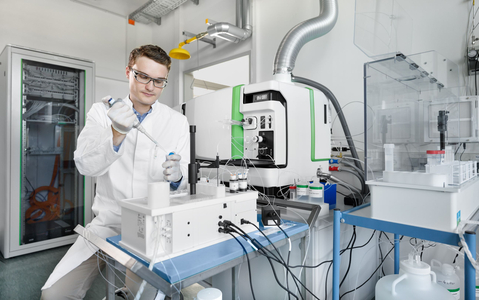
Freising, October 11, 2022 - Casein makes up the majority of the proteins in cheese and quark. Although casein itself does not taste bitter, its digestion in the stomach also produces bitter-tasting protein fragments (peptides). This has been proven for the first time in a study led by the Leibniz Institute for Food Systems Biology at the Technical University of Munich (LSB). The study also suggests that the bitter peptides are able to stimulate acid secretion from gastric cells via their cellular bitter receptors. A mechanism that, according to the research team, could contribute to the long-known satiating effect of milk protein.
September
Combating malnutrition–Egg powder suitable as a food supplement?
Freising, September 15, 2022 - Malnutrition is a key challenge not only in African countries. As an international study led by Veronika Somoza now shows, egg powder is a food with great potential to improve the nutritional situation of children in deprived areas. Compared to pasteurized whole egg, the powder contains lower amounts of essential fatty acids, but still provides many vitamins, indispensable amino acids and important trace elements. In addition, it has a long shelf life without additional preservatives, is easy to transport over long distances and is simple to prepare.

August
High-ranking visitors at the "Food Science Day" of the Freising Leibniz Institute
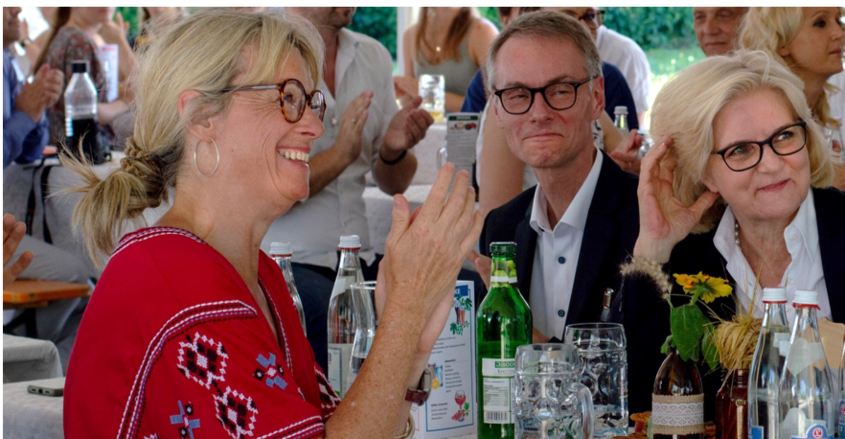
On August 04, 2022, the Leibniz Institute for Food Systems Biology at the Technical University of Munich (LSB) was pleased to welcome high-ranking guests from science and politics on the occasion of its "Food Science Day".
July
Odorant Analysis 2.0 – Technique for the Isolation of Volatile Food Compounds Optimized
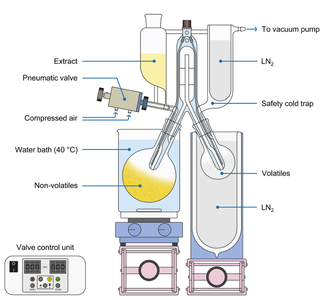
Freising, July 29, 2022 - A research team from the Leibniz Institute for Food Systems Biology at the Technical University of Munich (LSB) has succeeded in automating an established method for the gentle, artifact-avoiding isolation of volatile food ingredients. As the team's current comparative study now shows, automated solvent-assisted flavor evaporation (aSAFE) offers significant advantages over the manual process. It achieves higher yields on average and reduces the risk of contamination by nonvolatile substances.
Progress in bioanalytics: Production of RNA chips significantly simplified
A joint press release by the University of Vienna/Faculty of Chemistry and the Leibniz Institute for Food Systems Biology at the Technical University of Munich (LSB)
RNA chips can contribute to the exploration of new methods to diagnose and treat diseases such as cancer
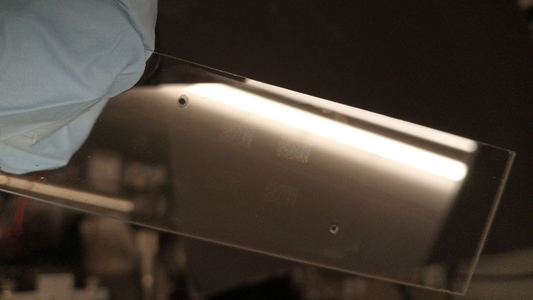
Vienna/Freising, July 26, 2022 - Biochips (microarrays) are modern analytical tools that allow thousands of individual detections to be performed simultaneously in a small amount of sample material. A team led by Mark Somoza from the Faculty of Chemistry at the University of Vienna has now presented a new method in "Nature Communications". With this method, commercially available DNA chips can be quickly and easily converted into RNA chips, which are otherwise much more difficult to produce. Such RNA microarrays help to elucidate the still unknown functions of RNA molecules in cells - an important prerequisite for advancing the diagnosis and treatment of diseases such as cancer.
June
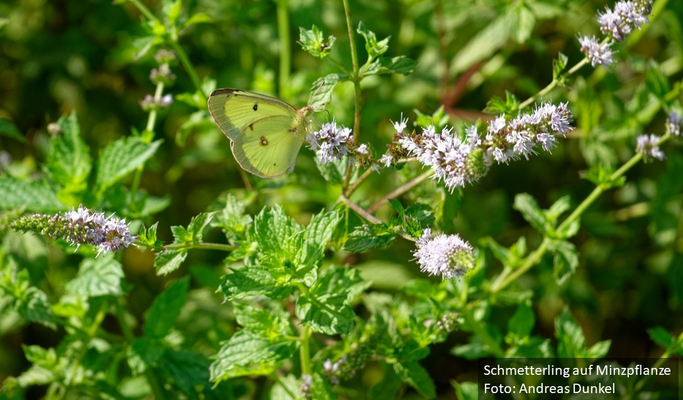
What is essential for mint aroma–Aroma composition of 153 mint species characterized
The U.S. Department of Agriculture's mint core collection forms the basis for research on one of the world's most sought-after aroma plant. A research team led by the Technical University of Munich (TUM) has now used a methodology it developed back in 2021 to analyze by a high-throughput approach the flavor composition of different mint species as well as differences in odorant concentrations depending on taxonomy, environmental conditions and growth stages.Using liquid chromatography-tandem mass spectrometry, the team characterized the aroma compound levels of a total of 153 different genotypes of the herb plant. "We were able to show that the aroma composition varies according to taxonomy and changes during the growth of the plant. Likewise, we observed that greenhouse conditions have a huge impact on aroma compound concentrations," summarized food chemist Andreas Dunkel of LSB, who was involved in the study.
Funding: The research was financially supported by Mars Wrigley (USA).
10th Roundtable Cocoa, June 02-03, 2022:
Food System Cocoa - Unraveling Key Drivers and their Impact on Cocoa Bean Quality.
Speakers from the LSB:
PD Dr. Martin Steinhaus, Head of Section I (ad interim) and Head of the Research Group: Food Metabolome Chemistry at LSB; he will speak on June 02 on the topic: Smoky, moldy, coconutty - atypical aroma notes in cocoa, the molecules behind them and their formation.
Andreas Dunkel, head of the Research Group: Integrative Food Systems Analysis and Databases; he will speak on June 03 on the topic: Systems biology of cocoa - a holistic and integrative approach to modeling cocoa bean and chocolate quality
Read more: www.rundertischkakao.de
May
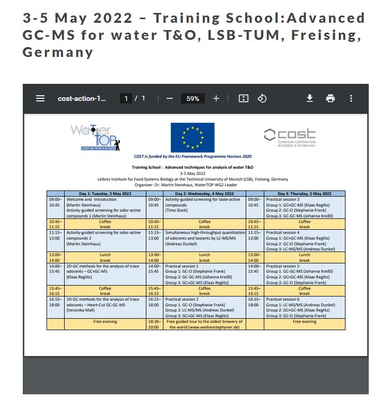
3-5 May 2022 – Training School: Advanced GC-MS for water T&O
Starting now! Watertop's Training School "Advanced GC-MS techniques for water taste & odor analysis" at Leibniz-LSB@TUM.
You can find the program at: watertopnet.eu/watertop-agenta/
April
Why stored linseed oil tastes bitter − And what you could do about it
Freising, April 21, 2022
A team of scientists led by the Leibniz Institute for Food Systems Biology at the Technical University of Munich, in cooperation with the Chair of Food Chemistry and Molecular Sensory Science at the Technical University of Munich, has now uncovered new molecular details relevant to the bitterness of stored linseed oil. The new findings should help to develop suitable technological processes or breeding strategies that preserve the good taste of the edible oil for longer.
Funding: This research was supported in part by the German Research Foundation (Deutsche Forschungsgemeinschaft - DFG) (BE 2091/7-1 to MB).

19-20 April 2022 – Water T&O Database Development Meeting, Prague
The meeting aimed to design the Water T&O Database, a deliverable of WaterTOP. Martin Steinhaus and Andreas Dunkel (Leibniz-LSB@TUM) presented the related databases of LSB and a first draft prototype of the Water T&O Database was developed.
Website of WaterTOP COST Action (CA18225) https://watertopnet.eu/watertop-agenta/
Non-alcoholic beer–Non-Saccharomyces yeast provides distinct berry and apple flavor
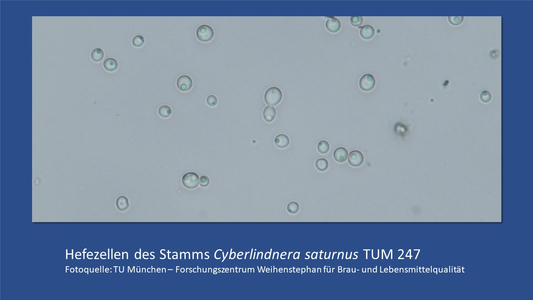
Non-Saccharomyces yeasts impart fruity flavors to non-alcoholic beers. Beer made with the strain Cyberlindnera saturnus TUM 247, for example, has a distinctive red berry and apple flavor. As a team of scientists led by the Research Center Weihenstephan for Brewing and Food Quality has now demonstrated for the first time, the odorant (E)-β-damascenone is mainly responsible for this flavor. "Likewise, we found that a low pitching rate, a moderate fermentation temperature and an original gravity of 10.5 °P are optimal for producing a beer with maximum fruitiness but minimal ethanol content and no off-flavors," says Dr. Stephanie Frank of the LSB, who played a key role in the study.
Funding: The IGF Project (AiF 20658 N) of the Association for the Promotion of Science of the German Brewing Industry (Wifoe) was supported via AiF within the program for promoting the Industrial Collective Research (IGF) of the German Ministry of Economic Affairs and Climate Action (BMWK), based on a decision by the German Bundestag.
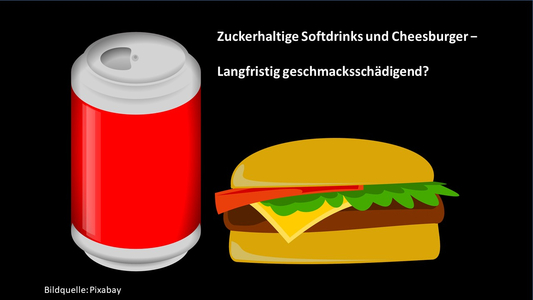
Sugary Soft Drinks and Cheeseburgers−Harmful to Taste in the Long Term?
At least in mice, long-term consumption of a sugary and caffeinated soft drink in combination with a high-fat cheeseburger diet reduces the chemosensory surface of the fungiform taste papillae. This is the conclusion of a cooperative study conducted by the Faculty of Chemistry at the Austrian University of Vienna and the Faculty of Medicine at Slovakia's Comenius University. However, the extent to which a long-term consumption of a diet high in sugar and fat affects the human taste perception apparatus has not yet been clarified and requires further investigation according to Veronika Somoza and Barbara Lieder. Both are principal investigators at the Vienna Faculty of Chemistry and significantly contributed to the study. In addition, Veronika Somoza is the director of the LSB.
Potential "taste enhancers" for cough expectorant identified
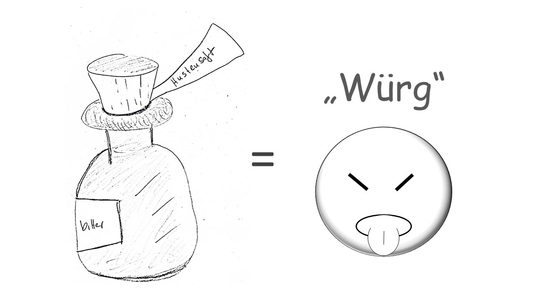
A bitter taste not only discourages consumers from eating certain foods. It also often makes it difficult to take medications. A team of scientists led by Veronika Somoza, Deputy Chair of the Department of Physiological Chemistry at the Faculty of Chemistry at the University of Vienna and director of the LSB, has now optimized a cell-based methodology that can identify substances that modulate bitter taste. The team's initial results indicate that natural plant compounds such as hesperidin, found in citrus fruits, reduce the bitter taste of a well-established expectorant (guaifenesin). The drug helps to cough out phlegm from the airways.
March
Congratulations to Prof. Dr. Katharina Scherf!
Tenure-track professor Katharina Scherf, now at the Karlsruhe Institute of Technology, has received a Starting Grant from the European Research Council (ERC) for the analysis of molecular gluten components in the research project GLUTENOMICS. She was previously a senior scientist at Leibniz-LSB@TUM.
More: www.kit.edu/kit/30396.php

Genetic link between gut and brain
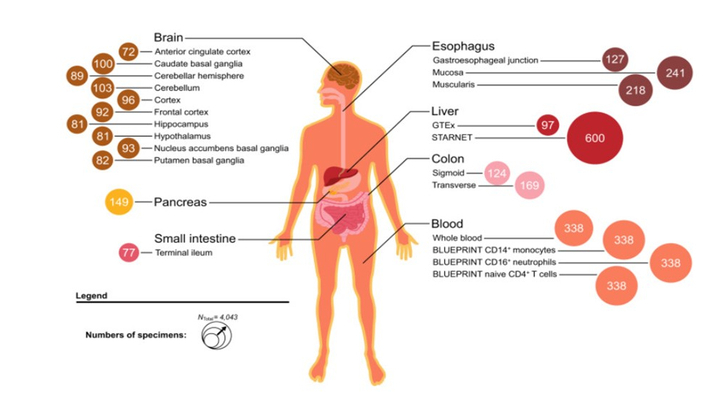
Studies indicate that there is a genetic link between chronic inflammatory bowel disease and mental illness. Therefore, a team of scientists led by Christian-Albrechts-University of Kiel conducted a transcriptome-wide association study for 23 tissues of the gut-brain-axis. The data sets of 180,592 patients formed the basis. Using various analytical methods, the team succeeded in identifying three genes that are active in the brain and intestine and simultaneously influence susceptibility to Crohn's disease and ulcerative colitis as well as schizophrenia. Professor Olaf Wolkenhauer, head of the Network Modeling & Machine Learning group at LSB, was involved in the bioinformatics data analysis.
Book a Scientist 2022
Speed dating with science - We want to make all curious and thirsty for knowledge with an exciting offer for the upcoming "Book a Scientist" on April 8, 2022: Book your exclusive, virtual conversation with our Leibniz scientists! In personal talks, our researchers will provide insight into their topics and their everyday work, answer your individual questions and look forward to exchanging ideas with you.
To reserve a talk, send an email to veranstaltungen(at)leibniz-gemeinschaft.de stating your name, the topic you have chosen and the time slot you would like to attend. You will receive a confirmation email if the date is still available. You are also welcome to send us one or two questions that you are particularly interested in regarding the chosen topic. The offer is free of charge. The discussions take place virtually.

February
We participate in the Idea Run!
The Ideas Run is the central participatory event in the Year of Science 2022 - Nachgefragt! The goal is to initiate a dialog between the public and science and to identify new future fields for research and research policy. Under the motto #MeineFragefürdieWissenschaft (My Question for Science), the Ideas Run therefore invites all citizens to contribute to and to help shape important topics in science and research policy. Questions submitted from January 14 to April 15, 2022 will be included in the Ideas Run. You will find cards to take part and the question box in our foyer.

Flavor code of pea protein further decoded
Plant-based protein sources are very much in vogue. In addition to protein from soy, pea protein is also an ingredient for novel foods, including meat substitutes. Unfortunately, its use also often leads to undesirable grassy and bean-like off-flavors in the respective product, resulting in lower consumer acceptance. A study conducted under the leadership of the Technical University of Munich, now provides new insights into the odorants that characterize the typical aroma of pea protein. "In the future, our results can help food manufacturers to optimize the aroma of plant-based products in addition to their taste," says Dr. Johanna Kreißl of LSB, who was involved in the study.
Bittersweet flavor variety of Brassica vegetables studied–Glucosinolates crucial for bitterness
A team of scientists led by Poznań University of Life Sciences, including Andreas Dunkel from LSB, has investigated which natural constituents shape the taste of Brassica vegetables. To this end, the team analyzed different varieties at the molecular as well as sensory level in both the raw and cooked states. As it shows, the bitterness of Brussels sprouts and broccoli correlates with its glucosinolate content. In this regard, Brussels sprouts contained significantly higher concentrations of these bioactive bitter compounds than broccoli or other vegetables. For Brussels sprouts, kohlrabi and raw cauliflower, the team also found a positive relationship between sugar content and a general taste preference for the respective vegetable. Phenolic compounds, on the other hand, did not influence the perceived taste.

Bachelor student from LSB receives Silesia Research Award
Ute Freidinger, bachelor student of the Leibniz Institute for Food Systems Biology at the Technical University of Munich (LSB), has received the Silesia-Clemens Hanke Bachelor of Science Award on February 01, 2022. The prize is endowed with 1,000 euros. The topic of the thesis, supervised by Prof. Veronika Somoza and Dr. Philip Pirkwieser, is: Analysis of minerals and heavy metals in chicken egg products using Inductively Coupled Plasma-Mass Spectrometry. The Silesia-Clemens Hanke Foundation has been supporting bachelor's, master's and doctoral graduates in food chemistry at the Technical University of Munich (TUM) since 2017 and annually awards its research prizes to the best final theses of the year at the TUM School of Life Sciences.
The LSB sincerely congratulates all participants!