


Leibniz-LSB@TUM-News 2023
December
Merry Christmas!
Dear colleagues,
Dear friends and partners,
As the year draws to a close with the approach of Christmas, we would like to thank you for your trust and cooperation.
We look forward to working together in the coming year with exciting new insights from Food Systems Biology.
We wish you and your families a peaceful and relaxing holiday season and a good and healthy start to the New Year 2024!
Sincerely
Veronika Somoza and Michael Paul

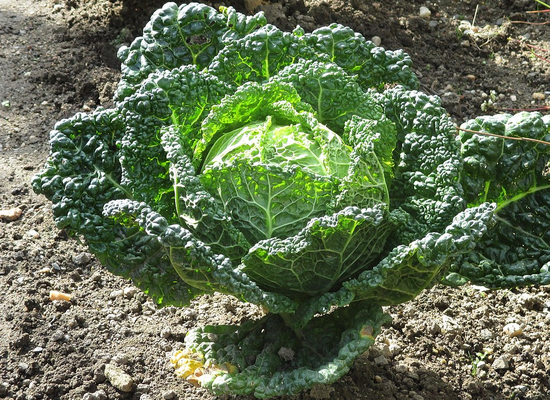
Spin-Off Project: Analysis of the Biodiversity of Glucosinolate Compounds in Cabbage Vegetables
Cooperation of the Leibniz Institute of Vegetable and Ornamental Crops (IGZ) with the Leibniz-LSB@TUM
Together with the Leibniz Institute for Food Systems Biology at the Technical University of Munich (Leibniz-LSB@TUM), the Leibniz Institute of Vegetable and Ornamental Crops (IGZ) e.V. has acquired funding for the computer-aided analysis of metabolite profiles in cabbage species. The project complements the work of the "SharpGreens" project, which is investigating how human health can be improved with the help of cabbage vegetables. Here, cabbage varieties with a high content of health-promoting plant constituents are identified in order to develop innovative foods from them.
Further information:
Food Systems Biology Database: fsbi-db.de
Sharp Greens Project: igzev.de/forschung/projekte/92/sharpgreens
Leibniz Research Network "Bioactive Compounds": www.leibniz-wirkstoffe.de
November
Coffee Consumption: Biomarkers Instead of Self-Disclosure
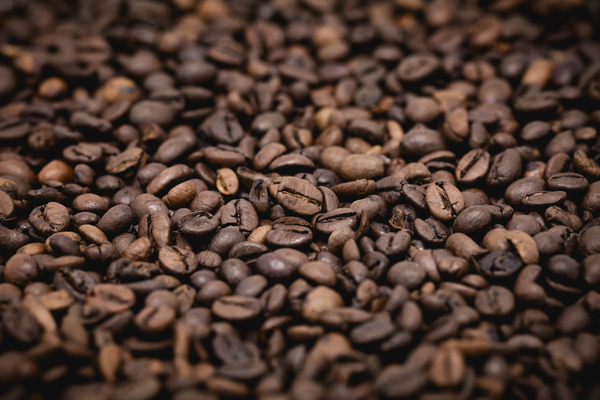
Observational studies are largely dependent on self-reporting with regard to the amount of coffee consumed by the participants. Additional studies would therefore be desirable in which coffee consumption could be objectively verified using biomarkers. The research results of a current pilot study between the Leibniz-LSB@TUM and the ZIEL – Institute for Food & Health of the Technical University of Munich indicate that the occurrence of atractyligenin glycosides in the plasma of test subjects could be used as a biomarker to estimate how much coffee a person has consumed. In contrast to other markers such as caffeine, atractyligenin glycosides are particularly suitable, as Arabica coffee is the only food that contains these substances in significant quantities.
Publication: Lang R, Czech C, Haas M, Skurk T. Consumption of Roasted Coffee Leads to Conjugated Metabolites of Atractyligenin in Human Plasma. J Agric Food Chem. Published online November 30, 2023. doi:10.1021/acs.jafc.3c05252 https://pubs.acs.org/doi/full/10.1021/acs.jafc.3c05252
Sharks Taste Bitter Food Like Humans
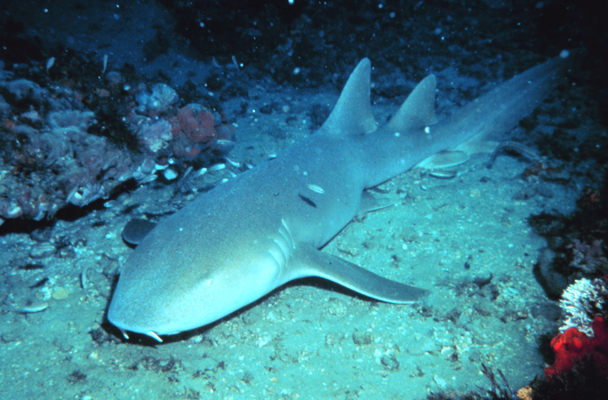
Bitter food has tasted bitter or whatever sharks may perceive for 500 million years. This is because sharks, which have evolved separately from us since that time, have very similar bitter taste receptors in their snouts as we humans do. This was reported by a research team from Leibniz-LSB@TUM and the University of Cologne based on genetic and biochemical studies. As they write, 12 of the 17 cartilaginous fish genomes studied contain a singular gene for an ancient bitter taste receptor that also reacts to substances that taste bitter to humans. This shows that the ability to taste bitter has been conserved throughout vertebrate evolution and suggests one or more important functions of bitter receptors, according to the team. The study results contribute to understand the function of bitter taste receptors in order to ultimately better understand the effects of bitter tasting food constituents.
Publication: Behrens M, Lang T, Korsching SI. A singular shark bitter taste receptor provides insights into the evolution of bitter taste perception. Proc Natl Acad Sci U S A. 2023;120(48):e2310347120. doi:10.1073/pnas.2310347120 https://www.pnas.org/doi/10.1073/pnas.2310347120
Read also at spektrum.de: Haie schmecken Bitteres wie Menschen by Lars Fischer: shorturl.at/lqtBL
The 29th Annual Meeting of the Leibniz Association
The 29th Annual Meeting of the Leibniz Association (29. Jahrestagung der Leibniz-Gemeinschaft) took place in Berlin from November 21 to 22, 2023, which was also attended by the LSB's Board of Directors and the knowledge transfer, press and public relations officer (including as part of the working group press meeting).

October
Inhibitors Identified for a Small Group of Olfactory Receptors
A small group of olfactory receptors, the so-called TAARs (Trace Amine-Associated Receptors), are specialized to recognize volatile amines that occur in certain foods. However, because of the low number of known ligands, they are still considered orphan receptors. A research team led by the Leibniz-LSB@TUM and the Italian Institute of Technology in Genoa has now identified new TAAR5 antagonists using a computer-assisted virtual screening protocol. The antagonists are now unique tools to pave the way for studying this receptor and provide new insights into the interactions between food ingredients. Moreover, TAARs are also found in a number of other tissues and organs outside the olfactory epithelium and the discovered antagonists could also help to develop new therapies against depression, anxiety and neurodegenerative diseases.
Publication: Nicoli A, Weber V, Bon C, et al. Structure-Based Discovery of Mouse Trace Amine-Associated Receptor 5 Antagonists. J Chem Inf Model. 2023;63(21):6667-6680. doi:10.1021/acs.jcim.3c00755 pubs.acs.org/doi/full/10.1021/acs.jcim.3c00755
@dipiziolab4407; Induced-fit docking (IFD) on mTAAR5: https://www.youtube.com/watch?v=8BNHpnvblu4 Weber V., Nicoli A. et al., JCIM 2023 (Under Revision)

We Take Part in the Freising Food Dialogue
Active against food waste
An exciting round of expert knowledge on sustainable nutrition and the prevention of food waste awaits visitors: the second Freisinger Ernährungsdialog on October 19 at 7 pm in the Lindenkeller will once again offer the full range of specialist knowledge. After all, it is still households and not the food industry, for example, that destroy the most food in Germany. Over 18 million tons of valuable food end up in the garbage can every year.
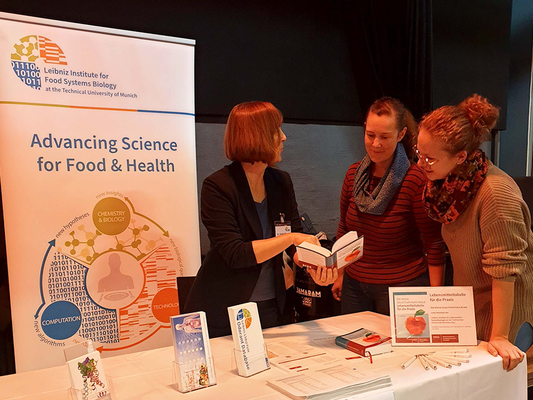
The Leibniz-LSB@TUM will be taking part with an information stand and presenting the new edition of the "Kleine Souci-Fachmann-Kraut" - food table for practical use.
The Freisinger Ernährungsdialog is a joint event of the vhs Freising and EIT Food Central, Europe's largest innovation network for nutrition, and is supported by the city of Freising. The event is sponsored by the Bavarian State Ministry of Education and Cultural Affairs.
New method increases the efficiency of biochips for high-throughput analyses
Biochips (microarrays) are modern analytical tools that allow thousands of individual detections to be performed simultaneously in a small amount of sample material. A research team from Leibniz-LSB@TUM and the Faculty of Chemistry at the University of Vienna has now shown with a special method for the production of DNA chips, so-called photolithographic in-situ synthesis, that the sensitivity of high-throughput analyses on microarrays can be significantly improved by using dipodal silanes. The use of these silanes led to DNA arrays with significantly better signal quality and a higher signal-to-noise ratio compared to conventional surfaces treated with other silanes. Researchers at the Leibniz Institute use gene expression microarray analyses to investigate the influence of food compounds on cellular processes and thus on human health.
Publication: Das A, Santhosh S, Giridhar M, et al. Dipodal Silanes Greatly Stabilize Glass Surface Functionalization for DNA Microarray Synthesis and High-Throughput Biological Assays. Anal Chem. 2023;95(41):15384-15393. doi:10.1021/acs.analchem.3c03399 pubs.acs.org/doi/full/10.1021/acs.analchem.3c03399

Award-Winning Scientist
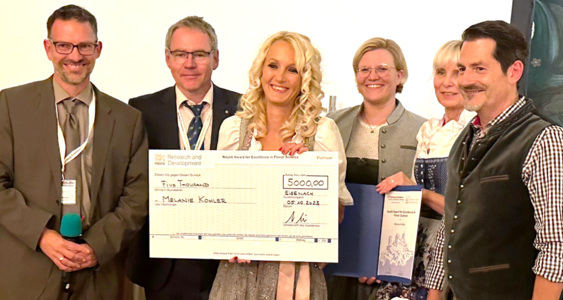
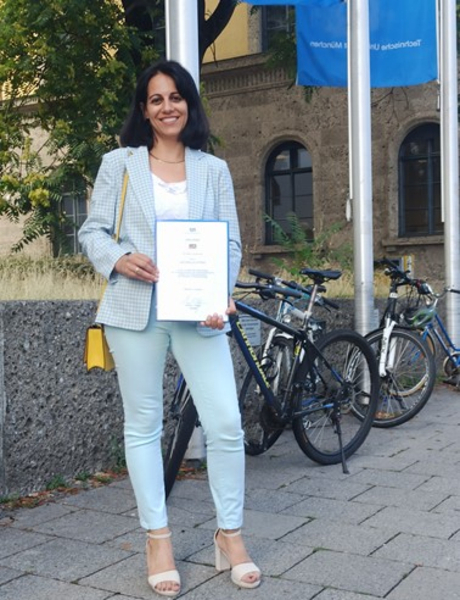
Dr. Melanie Köhler, junior research group leader at Leibniz-LSB@TUM, was awarded the Nestlé Award for Excellence in Flavor Research 2023 at the 13th Wartburg Symposium on October 5, 2023. The aim of the award is to honor and promote young researchers for outstanding contributions in aroma and taste research that have proven potential to be translated into innovative products and services for the food industry. The prize is endowed with 5,000 euros.
Just Back from the STS Forum in Kyoto, Japan!
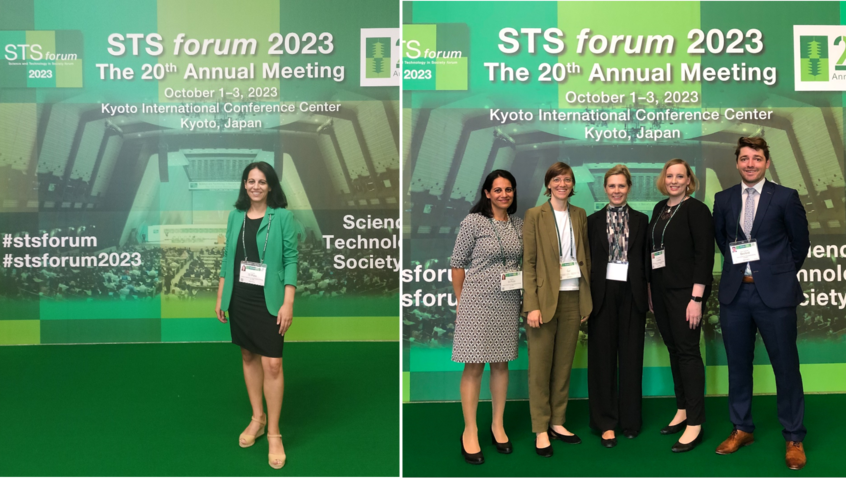
The photo below left shows Prof. Dr. Antonella Di Pizio, Research Group Leader at the Leibniz Institute for Food Systems Biology at the Technical University of Munich, at the #STS Forum 2023 in Kyoto, Japan!
She says, "Attending the STS Forum was a unique experience. There were 1,500 scientific leaders from around the world, including faculty members from 80 universities, scientific societies, and Nobel Laureates". Prof. Di Pizio attended the Forum on October 1 as part of a Leibniz delegation of young leaders (see photo below, right).
For more information: https://www.stsforum.org/kyoto2023/
September
News on Beer Aroma: More Than 20-Year-Old Assumption Disproved
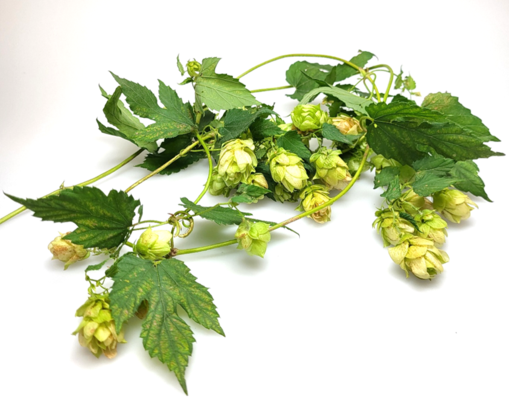
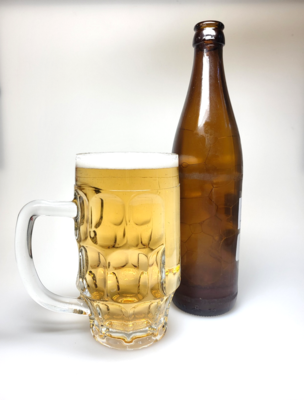
Freising, September 28, 2023–Hop-derived constituents not only increase shelf-life and bitterness of beer, but can also significantly influence aroma. An important hop odorant is linalool, which has a floral and citrus-like scent. Under the leadership of the Leibniz Institute for Food Systems Biology at the Technical University of Munich, a team of scientists has now disproved a roughly 20-year-old assumption about this odorant. The new study contributes to a better understanding of changes in beer bouquet during the brewing process and beer aging.
Book a Scientist: Speed Dating with Science
Soon it will be time again: The Leibniz Association's "Book a Scientist" event on September 12, 2023 is once again an exciting offer for all those who are curious and thirsty for knowledge. Take advantage of the opportunity to spend 25 minutes with a Leibniz Association expert and ask everything you've always wanted to know about your favorite topic.
Two of our researchers, PD Dr. Maik Behrens and Dr. Klaas Reglitz, will also provide insights into their topics and their daily work, answer your individual questions, and look forward to exchanging ideas with you.
Book an appointment now at: www.leibniz-gemeinschaft.de/ueber-uns/neues/veranstaltungen/book-a-scientist-buchungsseite

August
The Leibniz-LSB@TUM Congratulates
Congratulations to Assoc. Prof. Dr. Antonella Di Pizio, head of the Molecular Modeling Research Group at the Leibniz-LSB@TUM. As of August 1, 2023, the successful young scientist is an Associate Professor for Chemoinformatics and Protein Modeling at the Department of Molecular Life Sciences at the School of Life Sciences.
Profile Assoc. Prof. Dr. Antonella Di Pizio: https://www.leibniz-lsb.de/en/institute/staff/dipizio/
So You Know What's in It!
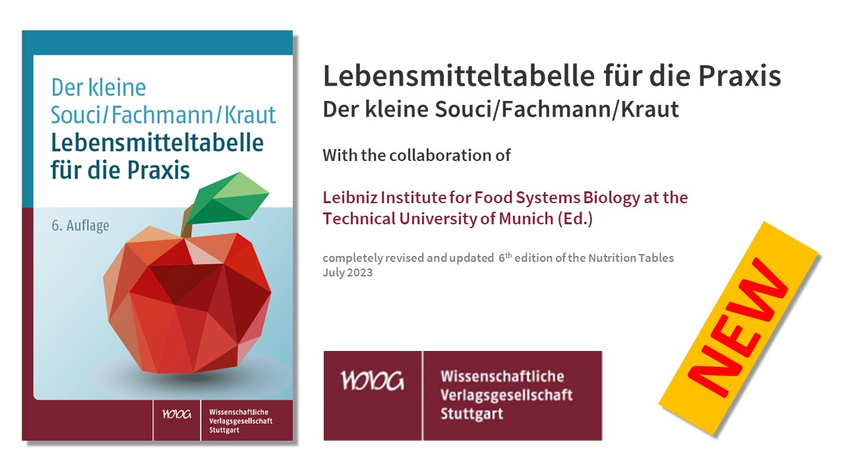
Nutrition Tables for Practice - The "kleine Souci/Fachmann/Kraut"
Discover the 6th edition of the Nutrition Tables, completely revised and updated by the Leibniz Institute for Food Systems Biology at the Technical University of Munich! It provides verified data on more than 60 food constituents in over 360 foods, clearly arranged by food groups.
Did you know how much omega-3 fatty acids are in salmon? Or which dairy product is the best source of calcium? Find out with our new guide!
What you can expect:
- Verified data on calories, vitamins and amino acids
- Information on bananas, eggs, chicken, parmesan and onions - and much more!
Stay informed and make conscious choices about your diet. With the new Nutrition Tables, you'll be well informed!
Now available at: https://www.deutscher-apotheker-verlag.de/Lebensmitteltabelle-fuer-die-Praxis/9783804743335
Research Team Identifies Human Odorant Receptor for Horse Stable Odor
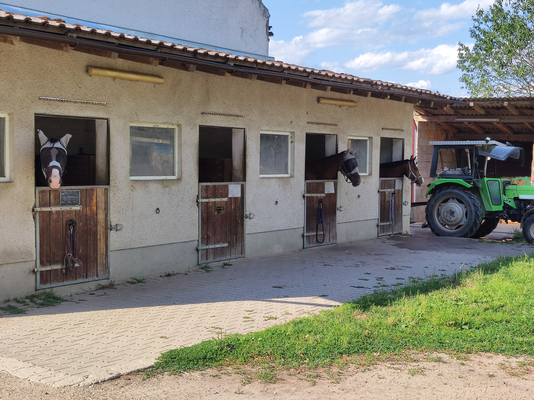
Freising, August 1st, 2023 - Para-cresol is an aromatic compound with a strong horse stable-like odor. It contributes to the off-flavor of some foods, but it is also detectable as a characteristic odorant in whiskey and tobacco, as well as in the urine of various mammals. A research team led by the Leibniz Institute for Food Systems Biology at the Technical University of Munich has now discovered which odorant receptor humans use to perceive para-cresol.
Funding: The initial stages of this research were partially funded by a collaboration project with Altria Group Inc. in Richmond, VA, USA. Gerd Kobal was an employee of Altria during the initial phases.
July
New Role for Taste Receptors: Bitter Taste Receptors Could Serve as Endogenous Sensors for Bile Acids
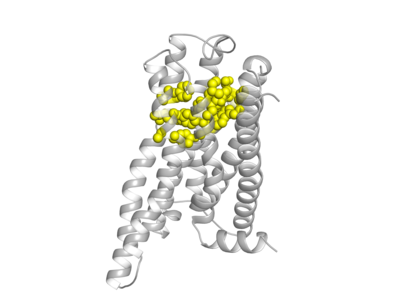
Freising, July 3, 2023 - Taste receptors for bitter substances are not only found on the tongue but also on cells outside the oral cavity. As a new study by the Leibniz Institute for Food Systems Biology at the Technical University of Munich now shows, extraoral bitter taste receptors could also serve as endogenous sensors for bile acids. This discovery suggests that, in addition to food components, endogenous substances may have influenced the evolution of bitter taste receptors. Furthermore, the study provides new approaches to explore the health effects of food constituents in which extraoral bitter taste receptors are involved.
June
Obituary of Prof. Dr. Werner Grosch (1934-2023)
The Leibniz Institute for Food Systems Biology at the Technical University of Munich mourns the passing of Professor Werner Grosch, who died in May 2023. We bid farewell to a highly respected colleague, renowned scientist and researcher, whose work was entirely dedicated to analytical food chemistry.
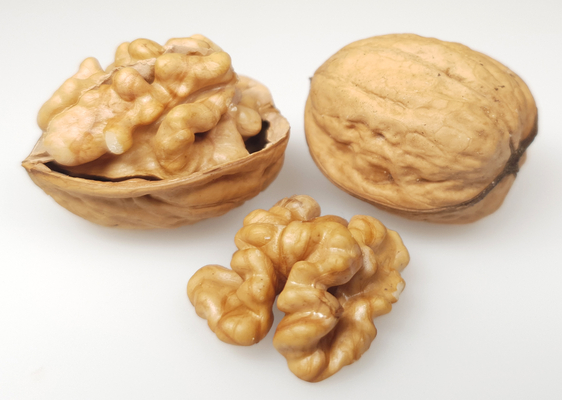
It's the Combination that Matters: Oatmeal- Plus Maggi Seasoning-Odor Results in Walnut Aroma
Freising, June 14, 2023 - A research team from the Leibniz Institute for Food Systems Biology at the Technical University of Munich has analyzed the aroma of walnut kernels and deciphered the underlying "odorant code". As the team shows for the first time, the typical walnut aroma is created by the combination of two odorants that are present in the nuts in roughly a one-to-one ratio. The first substance is sotolon, which smells like Maggi Seasoning sauce and which, as a single component, characterizes the aroma of lovage, for example. The second compound is called (2E,4E,6Z)-nona-2,4,6-trienal. It is known from oat flakes and is responsible for the typical odor there.
May
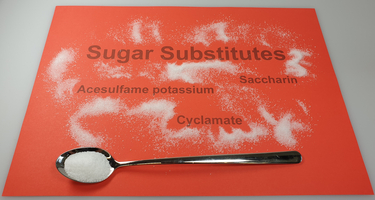
Human Immune Cells React to Non-Nutritive Sweeteners
Freising, May 16, 2023 - Diet drinks often contain a mix of non-nutritive sweeteners that also enter the bloodstream after consumption. As a new pilot study shows, even dietary intake levels of saccharin, acesulfame-K and cyclamate are enough to modulate the copy rate of various genes in white blood cells. "Our data suggest that this modulation sensitizes immune cells to certain immune stimuli," says Dietmar Krautwurst of the Leibniz Institute for Food Systems Biology at the Technical University of Munich. He adds: “Likewise, they also suggest that taste receptors may act as sweetener sensors of the cellular immune system.”
Munich Science Days
Three days of full house and many interesting conversations with "young and old" at the Leibniz-LSB@TUM booth in the beautiful Hall 1 of the Deutsches Museum (traffic center). Our gummy bear experiment and the smell test were particularly popular.

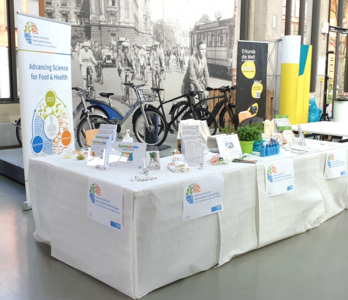
Munich Science Days from May 05 to May 07, 2023
at the "Verkehrszentrum des Deutschen Museums"
Program: https://forscha.de/fo/rahmenprogramm
Opening hours & directions: forscha.de/fo/visitors
We from Leibniz-LSB@TUM will be there. Visit our booth in hall 1, we are looking forward to seeing you!
Sweet, sour, salty, bitter, umami? Dive into the cosmos of chemical senses and test your sense of smell and taste. While participating, trying out and talking to experts, you will not only learn interesting facts about the molecular basis of smelling and tasting, but also gain insight into current research results in the field of food systems biology. In sensory tests, you can test whether you can recognize everyday foods, kitchen herbs and spices by smell. With the help of the "Gummibärchen Geschmackstest" you will find out how important our nose is for a complete taste experience. If you would like to try out how tastants and bitter receptors interact on a molecular level according to the "lock-and-key principle", a receptor model measuring approx. 30 cm is available.
![[Translate to Englisch:] Veranstaltungslogo](/fileadmin/_processed_/7/9/csm_logo_wita_b3b86c0a8a.png)
April
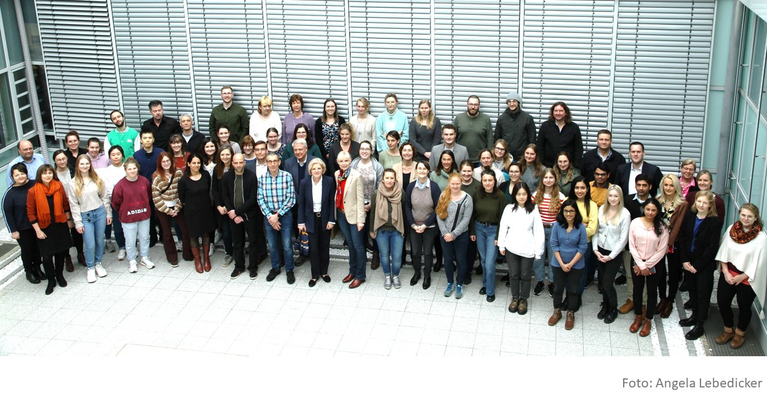
High-Ranking Visitor at the Leibniz Institute
Prof. Dr. Martina Brockmeier, President of the Leibniz Association, visited the Leibniz Institute for Food Systems Biology at the Technical University of Munich on 20.04.2023.

March
WaterTopCost-Meeting at the Leibniz-LSB@TUM
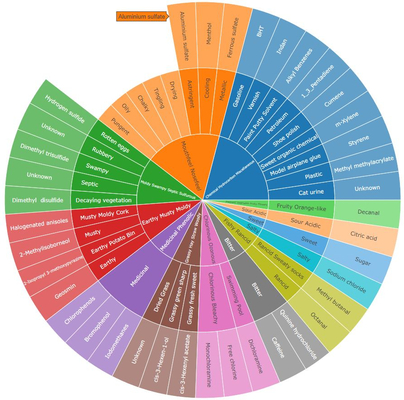
From March 22 to 24, ten scientists met in a meeting at the Leibniz-LSB@TUM organized by Andreas Dunkel, Dr. Guangjuan Luo, and PD Dr. Martin Steinhaus. One goal of the meeting was to develop further the prototype of a freely available online database that will help analyze sensory off-notes in water. To this end, the database will provide analytical parameters such as retention indices, thresholds, and sensory qualities, among others. Ideally, the information should help to identify problems such as algae infestation or cyanobacteria at an early stage in the future.
In addition, participants at the meeting worked on the development of an interactive flavor wheel. It summarizes taste and odor off-notes in water and their triggering compounds. The tool will be translated into many languages to advance the use of a consistent vocabulary in evaluating water.
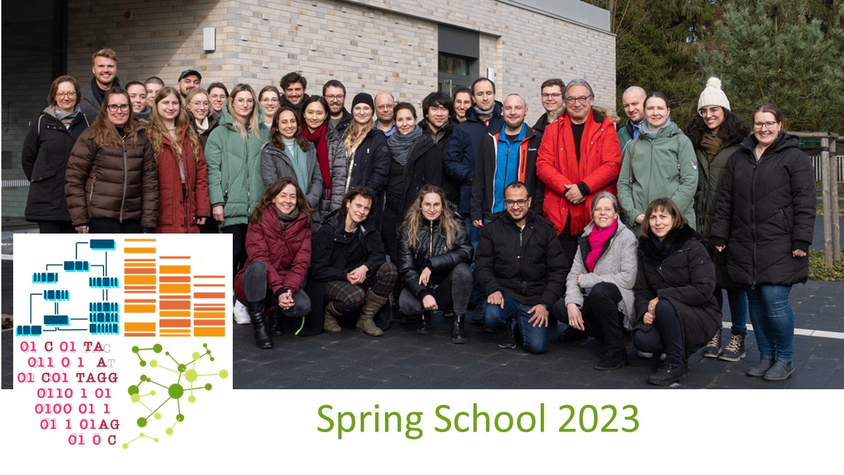
Report of the "Spring School"
From Omics to Systems Biology – Research for Food, Nutrition & Health
A report of the event can be found here:
Tsendmaa Tsengenbayar, a PhD student in the Junior Research Group Neurocircuit Development and Function, at the German Institute of Human Nutrition in Potsdam-Rehbrücke, summarizes her impressions in retrospect:
"Spring School workshop days were one of the most wonderful academic experiences for me. These days, I got opportunities to broaden my limited understanding of systems biology, networking and exchanging new ideas with other peer researchers from different Leibniz Institutes, which inspired me to expand my research ideas in nutritional neuroscience. The introduction to the complementary topics were very informative and educational where I have learned more alternations of useful instruments for my daily academic journey."
We Are Looking Forward to the "Spring School"
From Omics to Systems Biology – Research for Food, Nutrition & Health
March 6-10 2023 at the German Institute of Human Nutrition (DIfE)
The Spring school is a joint initiative of the Leibniz Institute of Vegetable and Ornamental Crops (IGZ), the German Institute of Human Nutrition (DIfE) and the LSB. It is intended for doctoral students and young researchers of the three institutes to provide an insight into approaches, tools and methods in the field of omics technologies, bioinformatics, metabolic pathways and systems biology.
In addition, the Spring School will also introduce topics of complementary skills including research ethics, data management and graphical abstract design. The joint learning experience of participants of all three institutes will also provide the participants with the opportunity for networking and exchange with young researchers from the other institutes and with the invited experts.
Funded by Joachim Herz Foundation
February
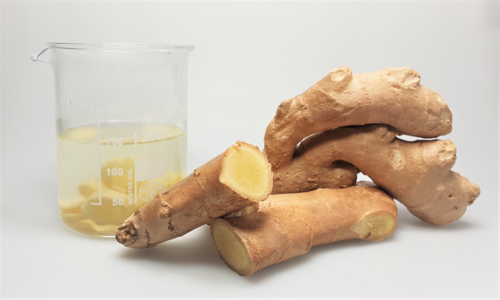
Pungent Ginger Compound Puts Immune Cells on Heightened Alert
Ginger has a reputation for stimulating the immune system. New results from the Leibniz Institute for Food Systems Biology at the Technical University of Munich (Leibniz-LSB@TUM) now support this thesis. In laboratory tests, small amounts of a pungent ginger constituent put white blood cells on heightened alert. The study also shows that this process involves a type of receptor that plays a role in the perception of painful heat stimuli and the sensation of spiciness in food.
January
Chicory, Surrogate and Roasted Coffee Provide New Insights into Mechanisms of Taste Perception
The composition of foodstuffs, but also the sequence of dishes, are important for the perfect taste experience of a menu. This insight, based on experience, is well known. The molecular causes of the pleasure-enhancing effects, on the other hand, are still poorly understood. Using the example of chicory, surrogate and roasted coffee, a study by the Leibniz Institute for Food Systems Biology at the Technical University of Munich (LSB) now explains for the first time why the order in which we eat food can be decisive for bitter taste perception and what role bitter taste receptors play in this process.
Publication: Lang, R., Lang, T., Dunkel, A., Ziegler, F., and Behrens, M. (2022). Overlapping activation pattern of bitter taste receptors affect sensory adaptation and food perception. Frontiers. 10.3389/fnut.2022.1082698. https://www.frontiersin.org/articles/10.3389/fnut.2022.1082698/full

Master Student from LSB Receives Silesia Research Award
Jeany Werner, a master's student at the Leibniz Institute for Food Systems Biology at the Technical University of Munich (LSB), received the Silesia Clemens Hanke Master of Science Prize on January 11, 2023. The prize is endowed with 2,000 euros. The topic of the thesis supervised by Prof. Veronika Somoza and Dr. Philip Pirkwieser is: Studies on cellular uptake of taste-active copper and lead salts. The Silesia-Clemens Hanke Foundation has been supporting bachelor's, master's and doctoral graduates in food chemistry at the Technical University of Munich (TUM) since 2017 and annually awards its research prizes to the best final theses of the year at the TUM School of Life Sciences.
The LSB congratulates all participants!